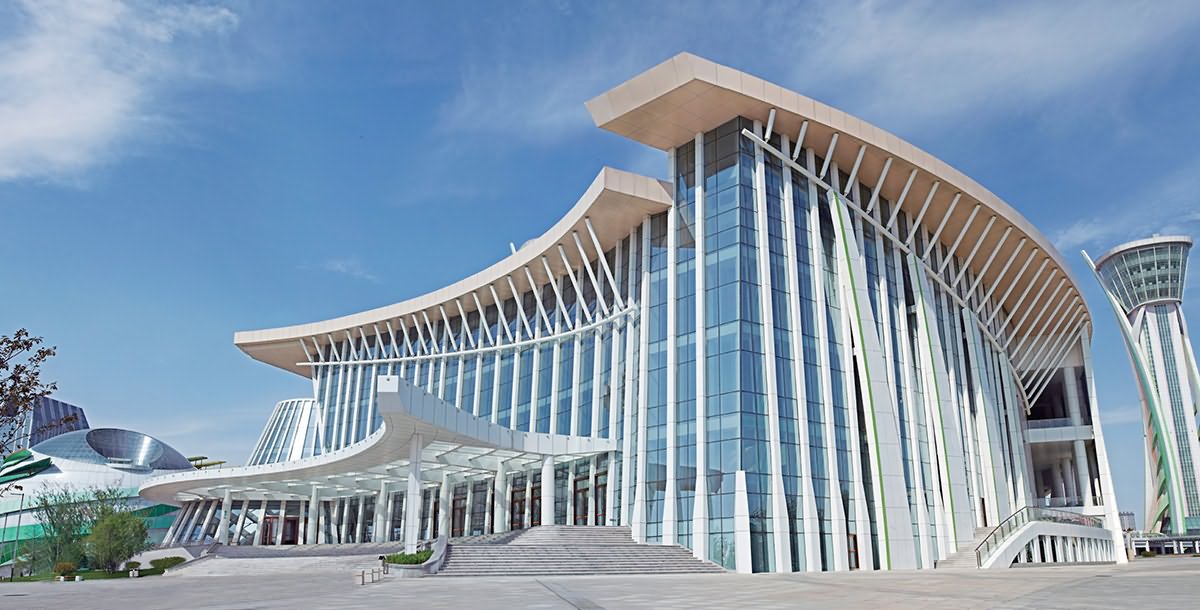
Fluorocarbon Aluminum Panels for Stadium Exterior Cladding
A stadium façade has to perform in public view every day. It must handle intense sunlight, wind-driven rain, airborne pollution, crowd activity and regular cleaning while retaining the architectural character established by the design team. Fluorocarbon-coated aluminum panels offer a practical way to combine a durable building envelope with bold forms, colours and joint patterns.
For Australian venues, the choice of exterior cladding also needs to reflect local conditions. A stadium in Brisbane may face high humidity and heavy rainfall, while a venue in Perth or Melbourne can experience strong ultraviolet exposure, temperature changes and coastal air. The right panel specification should be developed around the site rather than selected from a catalogue alone.
Guangzhou Huizhi Building Materials Co., Ltd. manufactures architectural aluminum products for façades, interiors and ceilings, including fluorocarbon panels, perforated sheets, carved panels, honeycomb systems, expanded mesh and aluminum square-tube solutions. Its service can cover consultation, production, delivery, installation and after-sales support for projects requiring a coordinated supply chain.
Why fluorocarbon coatings suit stadium façades
Fluorocarbon coatings, commonly based on PVDF resin, are valued for their resistance to weathering and colour change. On a stadium, the external skin may receive years of direct sun, dust, exhaust particles and repeated washing. A properly specified coating helps the aluminum retain a consistent appearance across large elevations and prominent entrance zones.
The finish can be supplied in a broad range of colours, including corporate brand colours, metallic effects, muted architectural tones and custom shades. This gives architects control over how the venue appears from nearby roads, railway approaches and surrounding residential areas. A single stadium may use one colour family for the main bowl and contrasting panels around concourses, gates or hospitality areas.
Coating performance depends on more than the word “fluorocarbon” in a product description. The alloy, surface preparation, coating thickness, curing process, colour formulation and quality-control records all affect service life. Project teams should request coating data, sample panels and test documentation before approving a large production run.
Design options for a recognisable venue
Large-format aluminum façade panels can create clean planes around a stadium while concealing structural edges, plant zones and service areas. Folded trays, cassette panels and shaped pieces can be coordinated with expressed joints to create a disciplined grid or a more dynamic pattern. Curved forms are also possible when the fabrication method, panel dimensions and support system are defined early.
Perforated aluminum panels are useful where designers want filtered views, ventilation or illuminated graphics. During an evening event, lighting behind a perforated screen can turn the façade into a changing visual feature without relying on temporary banners. Carved or CNC-patterned panels can add local identity, geometric motifs or wayfinding elements to entry plazas and pedestrian routes.
Expanded mesh and aluminum square-tube screens offer additional depth. They can shade glazed areas, break up a tall elevation and provide a secondary layer in front of services or back-of-house spaces. In a venue such as Adelaide Oval or an urban stadium surrounded by apartments, these treatments can help balance visibility, privacy and visual impact.
Custom fabrication is particularly important where the architectural concept includes angled corners, oversized modules or transitions between solid and perforated surfaces. A specialist manufacturer should review the drawings, panel tolerances, fixing zones and access requirements before finalising the shop drawings.
Engineering for Australian conditions
The façade system must be engineered for the actual site wind pressures, building height, exposure category and support structure. Australian projects may also need to account for cyclone conditions in northern regions, salt-laden air near the coast and strong gusts around open stadium bowls. Panel size, stiffening ribs, brackets, fasteners and joint movement should be selected as a coordinated system.
The National Construction Code and relevant Australian Standards influence the design, documentation and approval pathway. Fire performance, water management, structural adequacy and safe access for maintenance need to be assessed by the project’s qualified consultants. Aluminum panels should not be treated as automatically compliant simply because they are metal; the complete façade build-up, insulation, cavity and backing materials matter.
Drainage and ventilation behind the cladding deserve close attention. A rainscreen arrangement with suitable cavities, flashings and pressure-management details can help control moisture, while correctly designed joints allow for thermal movement. These details are especially relevant in wet subtropical locations such as Brisbane and in coastal areas where contaminants can remain on the façade.
A design team should also consider impact exposure around turnstiles, service roads, loading areas and public concourses. Panels in these zones may need stronger backing, protected corners or a replaceable cassette arrangement. Early coordination reduces the risk of discovering access and repair problems after the venue is operational.
Coating durability, testing and maintenance
A stadium owner should evaluate a fluorocarbon finish against the exposure conditions expected over the asset’s life. Important considerations include resistance to ultraviolet degradation, colour retention, gloss stability, adhesion, humidity and surface contamination. Coastal projects should receive particular attention because salt deposits can accelerate corrosion at cut edges, fixings and poorly detailed interfaces.
Independent test evidence can help the design and procurement teams compare products on a consistent basis. Review the available information on corrosion and chalking tests when assessing how a proposed coating may perform under long-term environmental exposure. Test results should be read alongside the manufacturer’s warranty conditions and the actual project specification.
Cleaning is part of the ownership plan, not an afterthought. Dust, bird deposits, traffic film, food residue and event-related waste can build up around entrances and sheltered ledges. A mild, compatible cleaning method is generally preferable to abrasive tools or aggressive chemicals that may damage the coating. Maintenance teams should receive written guidance covering detergents, water pressure, inspection intervals and safe access equipment.
Colour matching also needs a documented process. Replacement panels produced years later may vary if the original batch, coating line or pigment system has changed. Keeping approved samples, coating codes, production records and spare panels can make future repairs less visible and reduce downtime between events.
Procurement and project coordination
Stadium projects often involve an architect, façade consultant, head contractor, steel or concrete trades, signage specialists, lighting designers and venue operators. Aluminum panel manufacture should be coordinated with all of them. Penetrations for cameras, speakers, floodlights, signage and access doors need to appear in the shop drawings before fabrication begins.
The procurement brief should identify the aluminum grade, panel construction, finish type, colour reference, coating performance, module dimensions, tolerances and fixing approach. It should also state which party is responsible for engineering calculations, samples, mock-ups, delivery sequencing and installation supervision. Clear responsibility is valuable on fast-moving projects where several façade zones are being released at different times.
A physical mock-up can reveal issues that are difficult to see in computer models. It allows the team to inspect joint widths, colour under different lighting, perforation density, shadow lines and the relationship between panels and glazing. For a stadium, a mock-up near an entrance or media façade can also demonstrate how the finish looks from pedestrian distance.
Manufacturing capacity and packaging are practical concerns. Panels must be protected against scratches, edge damage and moisture during transport and storage. Delivery can be staged around the construction programme, especially when access is limited in dense areas such as inner-city Melbourne or around major event precincts. Accurate labelling helps installers locate each panel without unnecessary handling.
Installation, handover and long-term value
A high-quality panel can still underperform if installation is rushed or the support frame is out of tolerance. The installer should verify setting-out lines, brackets, subframes, backing conditions and joint movement before fixing large quantities. Panels should be handled with clean gloves and stored in a dry, stable position to protect the coating and edges.
Interfaces with roofs, glazing, doors, concrete plinths and signage require careful detailing. Water-shedding flashings, compatible sealants and isolation between dissimilar metals can help reduce staining and galvanic corrosion. Around public areas, concealed fixings and tamper-resistant details may improve appearance and reduce accidental damage.
Handover should include as-built drawings, panel schedules, coating information, cleaning instructions, warranty documents and records of approved repairs. The venue operator should know which products are safe for routine washing and how to report dents, coating defects or loose components. A planned inspection after the first major weather season can identify installation issues before they become extensive.
Reliable after-sales support is valuable when a venue must remain presentable between sporting fixtures, concerts and community events. A responsive manufacturer can assist with replacement panel identification, finish matching, technical clarification and coordination with local installation teams. This support is especially useful for large facilities that will be maintained over decades rather than a single construction phase.
For Australian stadium owners, lifecycle value comes from the relationship between appearance, durability, access and repairability. A façade that withstands local weather, supports the venue’s identity and can be maintained in practical stages will serve the project better than a lower-cost system chosen without performance documentation.
Contact Guangzhou Huizhi Building Materials Co., Ltd. with the stadium location, façade drawings, preferred colours, panel types and installation requirements. The team can help develop a fluorocarbon aluminum cladding package suited to the project’s design intent, environmental exposure, construction schedule and long-term maintenance needs.

