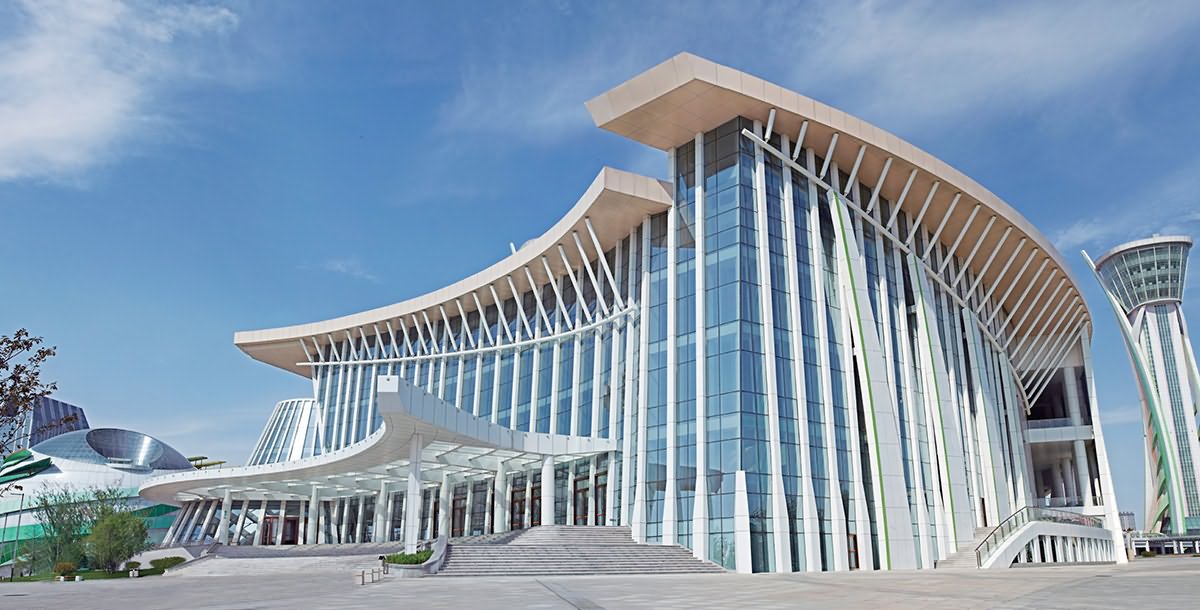
What To Expect After Aluminum Panel Installation
An aluminum panel system is a long-term building asset, but its performance depends on more than accurate fabrication and a careful installation. Ongoing service helps preserve the facade, ceiling, or interior feature while addressing minor issues before they affect appearance, safety, or surrounding materials.
For building owners, contractors, architects, and facility managers, after-sales support should provide a clear path from project handover to routine maintenance and corrective work. The best service arrangement explains what has been supplied, how it should be cared for, and who will respond when a question or defect appears.
Guangzhou Huizhi Building Materials Co., Ltd. supports architectural aluminum applications for government, commercial, hospitality, and residential projects. Its service scope covers consultation, production, installation, delivery, and post-installation assistance, giving clients a single point of contact for customized facade, interior, and ceiling solutions.
What the handover should include
A professional handover begins with a record of the completed system. This normally includes approved drawings, panel specifications, surface-finish details, color references, installation information, and a list of areas where different products were used. For a complex project, photographs of concealed supports and completed elevations can also be valuable for future inspections.
The handover should identify the aluminum alloy, panel type, thickness, coating or treatment, joint arrangement, and fixing method. These details matter when replacement panels are needed years later. Fluorocarbon panels, perforated sheets, carved aluminum, honeycomb panels, expanded mesh, and square-tube systems each have different structural and cleaning requirements.
The client should also receive practical care instructions. These may cover suitable cleaning agents, recommended inspection intervals, access limitations, and procedures for reporting damage. Clear records reduce delays because the service team can identify the original product and finish without relying on uncertain visual descriptions.
Routine inspections and maintenance visits
Routine inspection is usually focused on visible and functional conditions. Technicians may review panel alignment, open joints, sealants, fasteners, surface discoloration, dents, scratches, corrosion around interfaces, and signs of water penetration. On ceilings and interior installations, they may also check movement, loose components, stains, and contact with mechanical or electrical services.
Inspection frequency depends on the building environment. Coastal air, industrial emissions, heavy traffic pollution, high humidity, frequent rainfall, and intense sunlight can place greater demands on exterior finishes. High-use hospitality and commercial areas may need more frequent reviews because panels are exposed to cleaning equipment, impacts, and regular contact.
Maintenance does not always involve replacing a panel. Removing surface deposits with an approved method, renewing a deteriorated seal, tightening an accessible fixing, or correcting a small alignment issue can protect the wider system. Any cleaning or repair should be compatible with the coating, especially where fluorocarbon finishes or decorative treatments are involved.
Ventilation-related designs require particular attention to airflow openings and the condition of perforations. Dust, insects, debris, or accidental obstruction can reduce the intended performance of a screen. Technical background on perforated panel ventilation can help project teams understand why these openings should remain clear and correctly positioned.
How service requests are handled
A useful after-sales process starts with a documented service request. The client should provide the project name, location, affected area, installation date, panel type if known, and a description of the issue. Clear photographs, close-up images, and wider views showing the panel’s position can help the manufacturer assess the problem before a site visit.
The support team may first determine whether the issue is cosmetic, installation-related, environmental, or connected to another building system. For example, a stain may come from runoff above the facade rather than from the aluminum surface itself. A loose ceiling panel may result from interference with ductwork or lighting after the original installation.
Once the cause is clearer, the supplier can define the recommended response. This may involve cleaning guidance, replacement parts, a technical inspection, adjustment by an installation team, or coordination with the main contractor. A written scope should state the work involved, access requirements, expected timing, and any costs that fall outside the original warranty.
| Service stage | What the client can expect | Useful client information |
|---|---|---|
| Initial report | Request registration and preliminary technical review | Photos, location, project records, issue description |
| Remote assessment | Advice on likely causes and immediate precautions | Panel type, finish, installation date, maintenance history |
| Site inspection | Review of condition, fixings, joints, and surrounding interfaces | Safe access, site contact, maintenance or construction records |
| Corrective work | Cleaning, adjustment, sealing, component replacement, or panel renewal | Approved access equipment and work-hour restrictions |
| Follow-up | Confirmation that the issue has been addressed and documented | Inspection notes, photographs, outstanding observations |
Warranty coverage and its limits
Warranty terms vary according to the product, finish, application, installation conditions, and contract. Clients should review whether coverage applies to manufacturing defects, coating performance, dimensional problems, fixings, installation workmanship, or specific components. The warranty period should be recorded alongside exclusions and maintenance obligations.
A warranty generally does not cover every form of damage that occurs after handover. Impact from vehicles, unauthorized alterations, unsuitable cleaning chemicals, poor drainage, building movement, vandalism, and neglect may be treated differently from a material or fabrication defect. Environmental exposure can also affect the assessment, especially in aggressive coastal or industrial locations.
Good documentation protects both sides. Keep delivery records, approved shop drawings, installation reports, cleaning logs, inspection photographs, and service correspondence. If a problem develops, these records help establish when it appeared and whether the system has been maintained according to the supplier’s instructions.
When a replacement is needed, color matching may require careful review. Aluminum finishes can change gradually through exposure, while a newly produced panel may look different from an older adjacent panel even when the original color code is used. A service team should explain whether localized replacement, refinishing, or a larger coordinated replacement will provide the most consistent result.
Replacement panels and corrective repairs
A damaged panel should be assessed before removal. The visible mark may be limited to the surface, or it may indicate deformation of the panel, damage to the subframe, failed fasteners, or water management problems behind the cladding. Replacing the visible component without checking the surrounding assembly can allow the underlying cause to remain.
For custom architectural systems, replacement production may require confirmation of the original dimensions, edge details, perforation pattern, carving design, curvature, coating, and fixing locations. This is especially important for feature facades and decorative ceilings, where even a small difference can be noticeable across a repeated pattern.
Access planning is part of the repair. Exterior work may require scaffolding, a suspended platform, a mobile elevating work platform, or traffic management. Interior repairs may need coordination with tenants, hotel operations, fire systems, lighting, air conditioning, and other services. A capable supplier will identify these practical conditions before sending a crew.
Corrective work should finish with a basic inspection and record. The client should know which parts were replaced, which fasteners or seals were renewed, what cleaning method was used, and whether further monitoring is required. This creates a useful maintenance history for the next service visit.
Support for different aluminum applications
Facade systems often require attention to weather exposure, thermal movement, drainage, joints, and interfaces with windows or other cladding materials. Fluorocarbon-coated panels can provide a durable architectural finish, but the surrounding details and cleaning practices still influence long-term appearance. A manufacturer familiar with the complete assembly can distinguish panel problems from issues in adjacent construction.
Interior walls, feature screens, reception areas, and decorative ceilings have different service concerns. They may be more exposed to touch, cleaning, impact, airborne grease, or changes made during renovations. Carved panels, expanded mesh, honeycomb boards, and square-tube systems can each require tailored access and cleaning methods because their geometry affects dust collection and component removal.
Perforated panels may combine visual design, acoustic objectives, shading, and ventilation. Service checks should confirm that the specified open area has not been blocked and that surrounding equipment has not changed the airflow pattern. A replacement must preserve the original perforation size, spacing, direction, and edge treatment when those factors are part of the design intent.
Custom solutions benefit from direct communication with the original manufacturer. Guangzhou Huizhi Building Materials Co., Ltd. can coordinate technical consultation, manufacturing, delivery, installation, and service for projects using different aluminum architectural products. This integrated approach can simplify responsibility when a project includes multiple panel styles or specially fabricated components.
Practical steps for a smoother service experience
Clients can make future maintenance faster and more predictable by organizing information from the start. A small digital project file should contain product schedules, finish samples, drawings, photographs, warranty documents, and the contact details of the responsible supplier and installer. The file should be updated after every inspection or repair.
Building operators should also establish a reporting routine. Staff can record the location of a damaged panel, avoid applying unapproved chemicals, and report water staining or loose components promptly. Early notification gives the technical team a better chance to correct a localized issue before it spreads to adjacent materials.
Useful actions include:
- Schedule visual inspections according to the building’s exposure, usage, and access conditions.
- Keep approved cleaning products and methods with the facility maintenance records.
- Photograph damage before cleaning, moving, or removing any panel.
- Confirm the original finish, dimensions, and fixing details before ordering replacements.
- Coordinate facade or ceiling repairs with access, safety, tenant, and building-services requirements.
A service agreement may be worthwhile for large or high-profile buildings. It can define inspection frequency, response procedures, documentation, spare-part responsibilities, and escalation contacts. For smaller projects, a clear warranty file and an established technical contact may provide sufficient support.
Choosing a dependable project partner
Reliable after-sales care begins with product knowledge. The supplier should understand how the selected aluminum sheet, coating, core, perforation, decorative pattern, or support system behaves in its intended environment. It should also be able to communicate clearly when a concern falls outside the panel manufacturer’s responsibility.
Responsiveness is equally important. A technically accurate answer that arrives after water ingress, tenant disruption, or a scheduled event may not protect the building owner’s interests. Ask for a defined process for urgent reports, routine questions, replacement requests, and site inspections before the project is completed.
A strong support relationship should remain useful after the installation team leaves. From handover records and maintenance advice to replacement fabrication and site coordination, each stage should help preserve the system’s appearance and function. This is especially valuable for customized architectural work that cannot be replaced easily through a standard catalog order.
For a new facade, interior feature, or ceiling project, discuss service expectations during design and procurement rather than waiting for the first defect. Contact Guangzhou Huizhi Building Materials Co., Ltd. to review product options, installation requirements, maintenance considerations, and long-term support for an aluminum panel system suited to your building.

