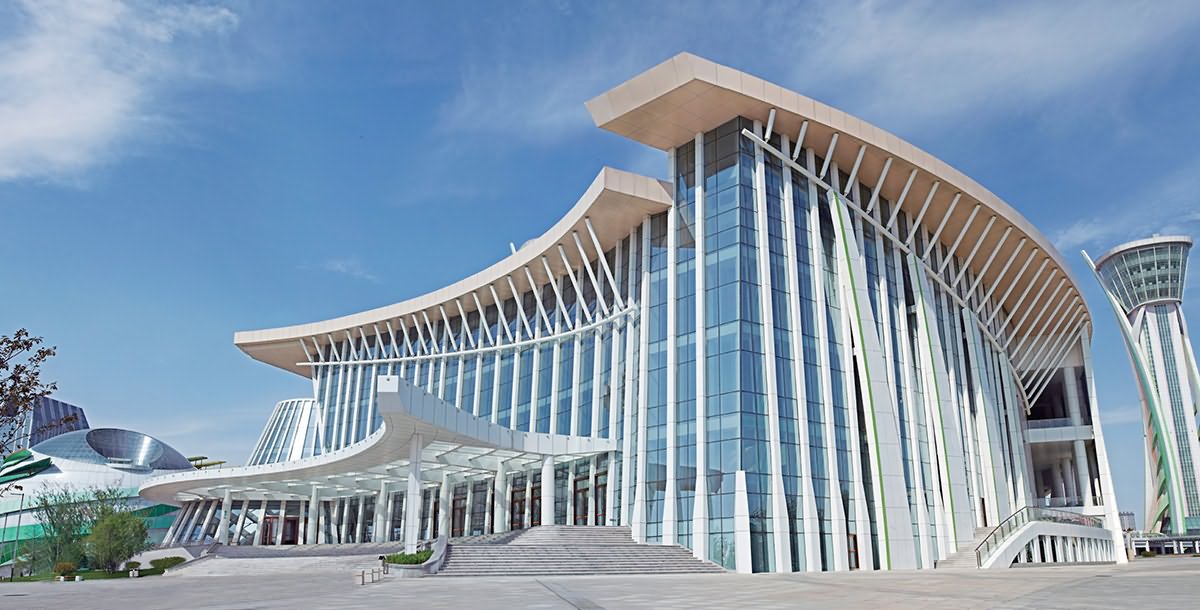
Testing fluorocarbon aluminum panels for corrosion and chalking
Fluorocarbon aluminum panels are widely used on curtain walls, façades, canopies, soffits, column covers, and interior feature surfaces because they combine low weight with durable architectural color. Their performance depends on the complete coating system, however, rather than on the name of the resin alone. Aluminum alloy, pretreatment, primer, topcoat, film thickness, curing, fabrication, installation, and cleaning all influence service life.
Corrosion and chalking are two different forms of coating deterioration. Corrosion usually involves the aluminum substrate, coating defects, exposed cut edges, galvanic contact, or trapped moisture. Chalking is the gradual breakdown of the paint binder under ultraviolet radiation, leaving a loose, powdery residue and eventually reducing color depth and gloss. A reliable inspection program must measure both conditions separately.
For manufacturers and project teams, testing should combine laboratory methods with production controls and field-oriented judgment. A panel that passes a salt spray test may still perform poorly at a cut edge or in a coastal joint, while an attractive color sample may show excessive chalking after prolonged sun exposure. The right test plan connects material selection to the actual building environment.
What the fluorocarbon coating must protect
A typical architectural aluminum panel uses a multi-layer coating system. The aluminum substrate is cleaned and chemically pretreated, followed by a primer and a fluorocarbon-based finish, commonly a PVDF coating. Some systems use a clear protective layer or additional back coating. Each layer contributes to adhesion, barrier protection, color stability, and resistance to moisture and pollutants.
The coating must prevent water, oxygen, salts, acidic deposits, and alkaline construction residues from reaching the metal. Any pinhole, scratch, poorly treated edge, or unsealed fastener can become a pathway for localized attack. On fabricated panels, bending and routing create areas where coating continuity and edge coverage deserve particular attention.
Fluorocarbon finishes are valued for weatherability, but “fluorocarbon” is not a complete performance specification. Buyers should confirm the resin content, coating construction, nominal dry film thickness, color tolerance, gloss range, pretreatment type, and applicable architectural coating standard. A qualified supplier should be able to connect these details to documented test results and batch records.
Building a meaningful corrosion test program
Neutral salt spray testing, often performed under ASTM B117 or ISO 9227, exposes coated specimens to a controlled salt mist. After a defined period, evaluators inspect blistering, rust creep from a scribe, underfilm corrosion, and changes around edges. The test is useful for comparing production batches and identifying weak pretreatment or adhesion, but it does not reproduce every outdoor condition.
Salt concentration, chamber temperature, specimen angle, scribe geometry, and evaluation interval must be controlled. A result should state the exposure duration and the exact failure criteria rather than simply claiming that a product is “salt spray resistant.” For façade panels, the distance that corrosion travels from a deliberate scratch is often more informative than an unqualified number of test hours.
Cyclic corrosion testing can provide a more demanding and realistic assessment. Alternating salt exposure, drying, humidity, and temperature changes can reveal defects that remain hidden during constant salt mist. Tests based on ISO 11997 or other project-specified cyclic methods may be appropriate for coastal, industrial, or high-humidity locations.
Laboratory corrosion tests should be supported by wet adhesion, boiling water resistance, humidity exposure, and chemical resistance tests. Cross-hatch adhesion testing can show whether the coating remains bonded after preparation and exposure. A panel can resist surface rust while still suffering delamination, so adhesion results should be reviewed alongside corrosion ratings.
Measuring chalking, color, and gloss loss
Chalking occurs when ultraviolet exposure and weathering break down the coating binder at the surface. Pigments and fillers become loosely attached, producing a powder that may transfer to a cloth or finger. Early chalking can be difficult to notice on pale colors, while dark, saturated colors usually make fading and gloss reduction easier to see.
ASTM D4214 provides methods for evaluating chalking, commonly with a standardized rating scale. The assessment should identify the test duration, exposure orientation, cleaning procedure, and rating method. Visual comparison alone can be inconsistent, so photographic records and retained control specimens help establish whether a change is gradual, localized, or unusually severe.
Color change is commonly measured with a spectrophotometer using a defined color-difference method such as ASTM D2244. Gloss can be checked at a specified geometry, often 60 degrees, under ASTM D523 or an equivalent standard. These measurements are especially valuable when a project has strict appearance requirements across replacement panels, adjacent elevations, or separately produced batches.
Accelerated ultraviolet and condensation testing, including methods from ASTM G154 or comparable standards, can help compare coating formulations. These tests should not be treated as an exact prediction of years in a particular city. Natural exposure panels in a representative climate remain valuable because sunlight spectrum, rainfall, airborne particles, and temperature cycles vary substantially between regions.
Preparing specimens and inspecting production quality
Testing should use both flat coated coupons and fully representative panel sections. Flat samples are convenient for laboratory work, but formed corners, routed openings, folded returns, rivets, and seams can behave differently. Specimens should include production pretreatment and curing, not a specially prepared laboratory finish that does not reflect normal manufacturing.
Before exposure, inspectors should record substrate alloy, surface condition, coating thickness, color coordinates, gloss, edge condition, and any visible defects. Dry film thickness can be checked with calibrated instruments, while coating adhesion and porosity may be examined at selected locations. Measurements should be taken across the panel rather than at one convenient point.
Scribed specimens are valuable because they imitate accidental damage, but the scribe must be made consistently. A rough or excessively wide cut can produce misleading results. For finished panels, separate tests should examine cut edges, drilled holes, folded areas, and contact points with dissimilar metals.
A practical quality file includes the coil or sheet batch, pretreatment chemicals, coating batch, oven profile, line speed, film readings, inspection results, and corrective actions. This traceability allows a manufacturer to distinguish a formulation problem from a handling or installation problem. It also gives the project owner evidence that the supplied fluorocarbon aluminum panels match the approved sample.
Comparing tests and what their results reveal
No single procedure measures all forms of outdoor deterioration. Corrosion tests focus on substrate protection and coating breakdown, whereas chalking and weathering tests focus on binder stability, color, and surface appearance. Results become useful when the method, duration, rating scale, and specimen construction are clearly stated.
| Test or inspection | Main property assessed | Typical warning sign | Practical value |
|---|---|---|---|
| Neutral salt spray | Corrosion resistance and scribe creep | Blistering, red rust, or underfilm spread | Compares pretreatment and coating systems |
| Cyclic corrosion | Resistance to changing wet, dry, and salt conditions | Edge attack, delamination, or joint failure | Better suited to demanding outdoor exposure |
| Humidity or water immersion | Moisture resistance and adhesion | Blisters, whitening, or loss of bond | Reveals weak interfaces and incomplete curing |
| UV and condensation exposure | Weathering stability | Fading, gloss loss, surface embrittlement | Screens formulations before natural exposure |
| Chalking assessment | Binder degradation | Powder transfer and chalk rating decline | Tracks surface aging under sunlight |
| Color measurement | Color stability | Increased color difference from a control | Supports appearance acceptance and batch matching |
| Gloss measurement | Surface finish retention | Progressive dulling or uneven sheen | Detects visual deterioration before severe chalking |
| Cross-hatch adhesion | Coating attachment | Flaking or lifting around cuts | Identifies pretreatment and curing problems |
Results should be interpreted against the project specification, coating standard, and exposure category. A pass/fail statement without the underlying readings offers limited protection to the buyer. It is also important to separate cosmetic acceptance from structural safety: chalking may be an appearance issue, while corrosion at a fixing or panel edge can affect long-term durability.
When a project involves specialized protective construction, the panel system may require additional performance review beyond decorative coating tests. For example, teams evaluating honeycomb cladding context should distinguish the corrosion behavior of the fluorocarbon skin from the performance of the core, adhesive, joints, and support assembly.
Matching the test plan to the building environment
A façade beside the sea faces chloride deposits, strong wind-driven rain, and frequent wet-dry cycles. An urban building may encounter sulfur compounds, nitrogen oxides, soot, and acidic condensation. Industrial areas can add alkaline or acidic particulates, while inland locations may experience intense ultraviolet exposure and large temperature swings.
The exposure category should guide the balance between appearance testing and corrosion testing. Dark or high-gloss colors may need tighter color and gloss limits because visual change is readily noticed. Coastal and industrial projects deserve greater attention to edge sealing, drainage, joint design, dissimilar-metal isolation, and cyclic corrosion performance.
Construction contamination is a frequent source of premature coating damage. Cement slurry, mortar, welding residue, silicone contamination, adhesive, and abrasive dust should be removed according to the coating manufacturer’s instructions. Strong acids, aggressive solvents, and rough abrasive pads can damage a sound fluorocarbon finish and create defects that later resemble manufacturing failure.
Installation records should document panel orientation, damaged areas, fasteners, sealants, protective film removal, and cleaning dates. Water must not be allowed to remain trapped behind panels or at horizontal returns. Good drainage and ventilation reduce the time that moisture and contaminants remain in contact with the coating.
Selecting a dependable supply and acceptance process
An effective procurement specification should define the aluminum alloy and temper, coating type, color and gloss tolerance, minimum film thickness, pretreatment, edge treatment, acceptable repair method, and required test standards. It should also state how chalking, color change, blistering, corrosion creep, and adhesion loss will be rated.
Pre-production samples can establish an agreed visual reference, but they should be accompanied by measurable data. Production panels should be inspected before shipment, with additional checks after forming and fabrication. If the project includes perforated, carved, expanded mesh, square-tube, or honeycomb elements, each construction type may need representative testing because geometry affects drainage and edge exposure.
A manufacturer with consultation, fabrication, installation, delivery, and after-sales capabilities can help coordinate these controls from one point. Guangzhou Huizhi Building Materials Co., Ltd. produces architectural aluminum solutions for façades, interiors, and ceilings and can support projects ranging from government and commercial buildings to hospitality and residential developments. Clear communication between design, coating, fabrication, and installation teams reduces gaps in responsibility.
The strongest acceptance process retains approved panels and laboratory specimens for future comparison. If a façade later shows powdering, fading, blistering, or edge corrosion, investigators can compare the installed material with the original reference and production records. That evidence supports a faster, fairer diagnosis than visual arguments made years after handover.
Recommended controls before shipment and installation
- Specify the coating system, resin content, film thickness, color tolerance, gloss range, and applicable standards in the purchase documents.
- Test representative flat and formed specimens, including scribed areas, cut edges, drilled holes, bends, and fabricated returns.
- Combine corrosion, adhesion, humidity, UV weathering, chalking, color, and gloss evaluations instead of relying on one exposure test.
- Match the test severity and edge detailing to the site’s coastal, industrial, high-UV, or high-humidity conditions.
- Retain approved samples, batch records, inspection reports, and installation photographs for the building’s maintenance file.
Fluorocarbon aluminum panels deliver durable architectural finishes when their coating system is selected, tested, fabricated, and maintained as a complete assembly. Corrosion testing confirms the barrier and substrate protection, while chalking, color, and gloss measurements reveal how the surface will age in sunlight. For a project-specific specification or production review, contact Guangzhou Huizhi Building Materials Co., Ltd. to discuss the panel construction, exposure environment, testing requirements, and installation details before fabrication begins.

