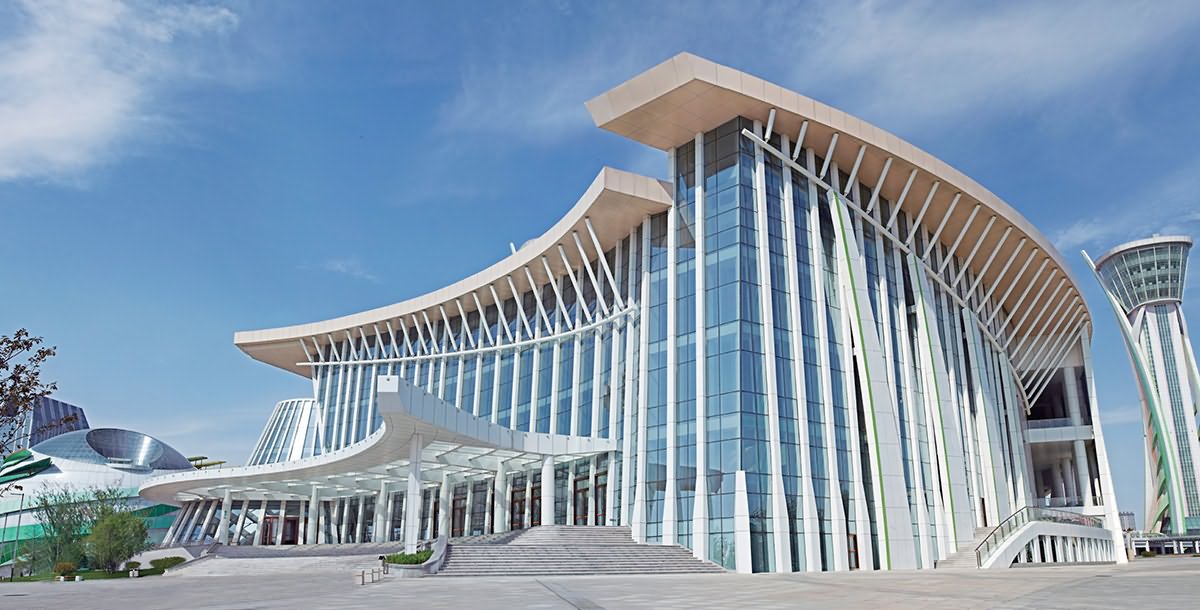
Fluorocarbon Aluminum Panels: Warranty And Lifecycle Analysis
Fluorocarbon aluminum panels are widely used for ventilated façades, entrance features, canopies, soffits, column cladding, and interior wall systems. Their appeal comes from a combination of low structural weight, design flexibility, corrosion resistance, and a durable surface finish that can preserve a building’s visual identity for years.
A lifecycle assessment should look beyond the initial panel price. The real cost includes substrate selection, coating quality, fabrication accuracy, installation conditions, cleaning requirements, inspection access, repairs, and eventual replacement. Warranty language matters because it defines which of these risks remain with the manufacturer, installer, or building owner.
For projects supplied by Guangzhou Huizhi Building Materials Co., Ltd., the most useful evaluation connects product specification with the actual building environment. Government buildings, commercial developments, hotels, and residential projects may all require aluminum cladding, yet each location exposes the coating to different levels of ultraviolet radiation, humidity, pollution, salt, abrasion, and maintenance activity.
What The Fluorocarbon Finish Provides
Fluorocarbon aluminum panels generally use a PVDF-based coating system applied to an aluminum sheet or formed panel. PVDF, or polyvinylidene fluoride, is valued for its resistance to chalking, fading, weathering, and chemical exposure. The coating usually includes a primer and color-bearing topcoat, while the aluminum substrate supplies the panel’s shape and structural behavior.
The term fluorocarbon does not describe one universal product grade. Coating resin content, film thickness, pretreatment, application method, curing temperature, pigment quality, and the number of coating layers all influence performance. A high-quality finish may remain attractive for many years, while a poorly controlled coating can show early discoloration, gloss loss, edge weakness, or adhesion failure.
Panel geometry also affects service life. Folded trays, cassette panels, carved sheets, perforated screens, honeycomb assemblies, expanded mesh, and aluminum square-tube systems have different drainage and cleaning characteristics. A specification should therefore identify both the coating system and the finished panel construction rather than relying on the word fluorocarbon alone.
Warranty Terms That Deserve Attention
A reliable warranty should separate coating performance from other product obligations. Color retention, gloss retention, chalk resistance, coating adhesion, corrosion protection, and manufacturing defects are different matters. A document that promises a general service period without defining measurable failure conditions may provide less protection than its headline duration suggests.
The warranty should identify the covered location, exposure category, panel material, coating brand or resin type, and permitted cleaning methods. It should also state whether the coverage applies to the original purchaser only, whether it transfers with the property, and whether labor, access equipment, removal, transport, and reinstallation are included in a corrective remedy.
Geographic conditions deserve careful wording. Coastal air, industrial emissions, heavy rainfall, intense sunlight, and freeze-thaw cycles can change the expected life of an exterior finish. A warranty for an inland façade should not automatically be treated as equivalent to a guarantee for a seaside hotel or a high-rise near a chemical-processing facility.
Installation can determine whether a valid claim survives. Cut edges, exposed fasteners, trapped moisture, incompatible sealants, galvanic contact, and insufficient drainage may be excluded from coverage. The project team should preserve approved shop drawings, batch information, delivery records, installation photographs, cleaning logs, and inspection reports so that a future claim can be investigated objectively.
How Panels Age In Real Buildings
The most visible aging mechanism is color change. Ultraviolet exposure gradually affects pigments and binders, although premium PVDF systems are formulated to slow this process. Dark, saturated, and metallic colors may behave differently from light neutral colors, and adjacent panels can appear mismatched when they come from different production batches or have received unequal exposure.
Gloss reduction and chalking are separate concerns. Gloss may decline gradually as the coating surface weathers, while chalking occurs when the binder deteriorates and leaves a powdery residue. Moderate change can be expected over a long service period, but rapid chalking, blistering, peeling, or widespread loss of adhesion may indicate unsuitable materials, poor pretreatment, or an environmental problem.
Dirt retention can make a panel look older than its coating actually is. Road dust, airborne particles, bird deposits, cooking exhaust, and mineral-rich water can form deposits around joints and recesses. Regular washing with a mild, compatible solution helps preserve appearance, but abrasive pads, strong solvents, aggressive pressure washing, and unapproved chemicals may damage the finish.
A practical reference on UV resistance guidance can support early discussions about sunlight exposure, pigment selection, and color-retention expectations. It should supplement, rather than replace, the manufacturer’s technical data and project-specific warranty.
Comparing Cost Across The Service Life
Initial purchase price is only one part of the financial assessment. A lower-cost panel may require more frequent cleaning, earlier color replacement, or additional site work if its fabrication tolerances are poor. Conversely, a premium system can reduce maintenance disruption when its coating, joints, subframe, and drainage details are coordinated from the start.
Lifecycle cost should include procurement, design coordination, freight, lifting, installation, access for maintenance, routine cleaning, inspections, repairs, replacement panels, and disposal. Buildings with difficult façade access can make a small coating-quality difference financially significant because scaffolding, suspended platforms, or specialized lifting may cost more than the replacement material.
The following comparison is a planning framework rather than a universal price schedule. Actual results depend on climate, panel size, color, building height, exposure, cleaning frequency, and the quality of installation.
| Evaluation factor | Basic coated aluminum | Premium fluorocarbon aluminum | Effect on lifecycle value |
|---|---|---|---|
| Initial material cost | Usually lower | Usually higher | Premium purchase cost may reduce future appearance-related work |
| Color and gloss stability | Varies widely by resin and pigment | Generally stronger when PVDF and approved pigments are used | Helps maintain a consistent façade identity |
| Resistance to chalking | Dependent on formulation and curing | Typically more reliable in exterior exposure | Can delay recoating or panel replacement |
| Custom fabrication | Available, but tolerances may vary | Often supported by stronger quality control | Reduces fitting problems and remedial site work |
| Cleaning demand | Sensitive finishes may need closer monitoring | Usually manageable with planned washing | Supports predictable maintenance budgeting |
| Warranty clarity | May be brief or broadly worded | More likely to define performance limits | Improves allocation of technical and financial risk |
| Best application | Short-term, sheltered, or budget-led work | Prominent façades and long-life assets | Aligns material choice with the building’s intended service period |
For a large public or commercial building, the value of consistent appearance can exceed the value of the cheapest initial quote. A façade that remains uniform supports property presentation, tenant expectations, and asset-management goals. The calculation should also assign a cost to business interruption when access equipment or façade removal affects occupied areas.
Matching Specifications To Exposure
A sound specification starts with the building location. Coastal sites require attention to salt deposition, drainage, fastener compatibility, and corrosion protection. Industrial sites may need resistance to specific airborne chemicals. High-altitude or open-country projects can experience strong ultraviolet exposure and windborne dust, while sheltered courtyards may accumulate moisture and pollutants because of limited airflow.
Color selection is part of risk management. Very dark finishes absorb more solar energy and can experience greater thermal movement, while certain bright or highly saturated pigments may require closer attention to color-retention data. Metallic finishes can be especially sensitive to application direction and batch variation because changes in viewing angle may reveal differences that are not obvious on a small sample.
The panel support system should receive equal attention. Correct joint width, back ventilation, sealant compatibility, drainage paths, thermal movement allowances, and isolation between dissimilar metals all contribute to long-term performance. A premium coating cannot compensate for water trapped behind a cassette or a poorly detailed transition between aluminum and another façade material.
Sampling should occur before mass production. Full-size mock-ups reveal visual effects, shadow lines, perforation patterns, color variation, sealant behavior, and installation tolerances. Guangzhou Huizhi’s ability to combine consultation, production, delivery, installation, and after-sales support can be valuable when these stages are coordinated under one technical process.
Documenting The Project For Future Claims
Warranty administration begins before the first panel reaches the site. The project file should include the approved color, coating system, aluminum alloy and temper, panel thickness, core construction where applicable, edge treatment, fastener type, sealant brand, and installation method. These records make it easier to distinguish a product defect from a design or workmanship issue.
A handover package should include cleaning instructions and a maintenance calendar. Exterior panels commonly benefit from visual inspection at least twice a year, with additional checks after severe storms, nearby construction, unusual pollution events, or accidental impact. Inspections should record locations of stains, dents, joint movement, corrosion, coating damage, and water accumulation.
Photographic documentation is particularly useful for large façades. Images should show general elevations as well as close views of corners, penetrations, joints, edges, and areas below drainage outlets. Batch numbers and panel locations can help determine whether a concern is isolated or distributed across a production run.
Maintaining organized project evidence is also useful when reviewing published project examples, since comparable applications may help stakeholders understand how design intent, fabrication details, and completed installation records are presented. Any external reference should still be checked against the specific product warranty and site conditions.
Practical Procurement Recommendations
A disciplined purchasing process can reduce uncertainty before the contract is signed and prevent avoidable disputes after installation.
- Request the complete coating specification, including resin type, layer structure, nominal film thickness, pretreatment, curing process, and applicable test standards.
- Ask for warranty wording that defines color change, gloss loss, chalking, adhesion failure, corrosion, exclusions, remedy scope, and geographic limitations.
- Approve a representative full-size mock-up before production, especially for dark, metallic, textured, perforated, or highly customized panels.
- Require compatible details for fasteners, sealants, insulation, subframes, drainage, ventilation, and isolation between dissimilar metals.
- Establish cleaning, inspection, repair, and recordkeeping responsibilities in the handover documents.
These requirements should be reflected in the purchase order rather than discussed only in informal meetings. The contract can also specify sample retention, batch traceability, delivery inspection, replacement-panel color matching, and response times for reported defects.
Planning A Durable Building Asset
A fluorocarbon aluminum façade has the greatest lifecycle value when its appearance, weather resistance, and maintainability are considered together. The coating is important, but so are the alloy, fabrication quality, support system, joints, site handling, installation workmanship, cleaning program, and warranty records.
For a new project, the design team should compare expected service life with the owner’s holding period and maintenance budget. A hospitality or government building may prioritize stable appearance and predictable public presentation, while a residential development may place greater emphasis on cost control and straightforward replacement. The appropriate solution is the one that fits the exposure and operational plan rather than the one with the most impressive label.
Contact Guangzhou Huizhi Building Materials Co., Ltd. to review panel construction, fluorocarbon finish options, color and texture samples, fabrication requirements, installation details, and warranty documentation for the project. A coordinated technical review before production can turn lifecycle expectations into measurable specifications and a more dependable façade investment.

