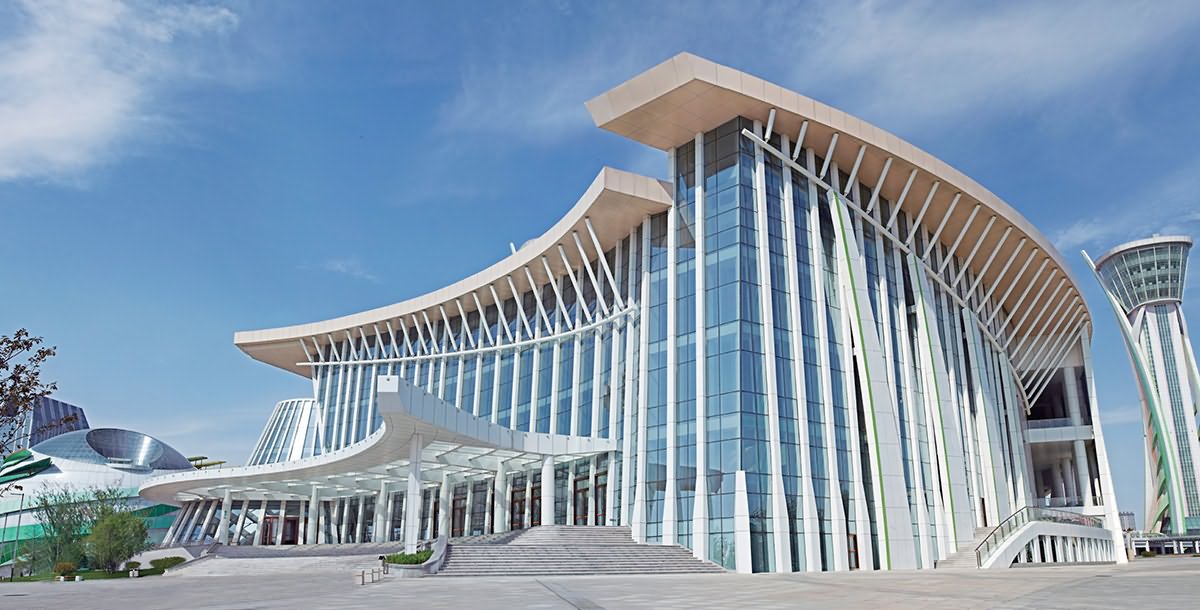
Fluorocarbon aluminum panels for lasting color and UV protection
Architectural aluminum panels are expected to preserve their appearance through intense sunlight, rain, humidity, pollution, and repeated temperature changes. For façades, soffits, entrance canopies, and interior feature walls, the coating system has a direct effect on how long the finished surface remains attractive and serviceable.
Fluorocarbon-coated aluminum panels are widely selected for this reason. Their PVDF-based finish combines weather resistance with a broad range of colors, gloss levels, textures, and custom design options. When the aluminum substrate, primer, paint layers, curing process, and installation details are properly controlled, the result can retain its visual character for many years.
Color stability, however, is not determined by the word “fluorocarbon” alone. Resin quality, pigment selection, coating thickness, exposure conditions, and maintenance all influence long-term performance. Understanding these factors helps architects, contractors, and owners choose an exterior cladding system that matches the demands of the building.
How the fluorocarbon coating protects aluminum
A fluorocarbon finish is generally built from several layers: a pretreatment on the aluminum, a primer, a color-bearing layer, and a clear or protective topcoat. The fluoropolymer resin creates a stable film with strong resistance to chemical attack, moisture, and solar radiation. It also helps the surface release dust and airborne contaminants more easily than many conventional paint systems.
PVDF coatings are valued for their carbon-fluorine molecular bonds, which are relatively resistant to ultraviolet degradation. Ultraviolet energy can break down weaker organic binders, causing chalking, fading, brittleness, or loss of gloss. A properly formulated fluorocarbon system slows these reactions and protects the underlying color layer.
The aluminum panel itself contributes to durability. Aluminum is lightweight, corrosion-resistant, and suitable for forming into solid sheets, honeycomb panels, perforated screens, carved decorative panels, and other façade products. A sound substrate and carefully prepared surface allow the coating to adhere evenly, reducing the risk of peeling or localized failure.
What determines color retention outdoors
Color retention depends heavily on pigment chemistry. Bright reds, oranges, yellows, and certain deep blues may experience greater visual change under constant sunlight than neutral tones, although a high-quality formulation can substantially reduce this effect. Metallic finishes require additional care because orientation, batch variation, and viewing angle can affect perceived color.
The coating’s dry film thickness is another important factor. Thin or inconsistently applied layers may provide insufficient protection, while excessive thickness can create curing and adhesion problems. Production should follow a controlled specification that identifies the coating brand, resin type, number of layers, gloss range, color reference, and testing requirements.
Exposure conditions also shape the service life of a façade. A south-facing wall in a high-sunlight region may age faster than a shaded elevation. Coastal salt, industrial emissions, high humidity, and standing water can place additional stress on the finish. Good design uses drainage, proper panel joints, and compatible sealants so that the coating is not exposed to avoidable moisture concentration.
For a project record or supplier review, it is wise to separate manufacturing information from unrelated web content. A mixed website may contain material from different industries, so the news archive should be evaluated carefully rather than treated as evidence of panel performance or coating certification.
UV resistance across panel applications
Façade cladding receives the most demanding ultraviolet exposure because it remains directly exposed to sun, wind, and rainfall. Fluorocarbon aluminum wall panels are therefore common on office buildings, transport facilities, shopping centers, hotels, schools, and public projects. Their flat appearance and broad color range support both restrained corporate designs and bold architectural concepts.
Soffits and canopies may appear less exposed, but reflected light, heat accumulation, and water runoff still affect their finish. Ventilation and drainage around these areas help prevent thermal stress and dirt buildup. For an entrance canopy, a durable fluorocarbon coating can preserve the visual connection between the roof edge, curtain wall, signage, and surrounding cladding.
Interior applications face lower UV exposure, yet color consistency remains important. Decorative aluminum panels used behind reception desks, in lift lobbies, retail spaces, restaurants, and ceilings should match adjacent materials under the project’s lighting conditions. A sample should be reviewed under both natural and artificial light before full production.
Perforated, carved, and expanded mesh panels may require special attention to exposed edges and complex cut patterns. The coating must cover the visible surfaces consistently, while the supporting frame should allow movement without forcing the panel to buckle. For larger spans, aluminum honeycomb panels can provide greater stiffness with relatively low weight, helping maintain a clean plane across the façade.
Comparing finishes and expected performance
No coating should be selected by color card alone. The appropriate finish depends on the building’s exposure, cleaning schedule, design life, budget, and required appearance. The following comparison provides a practical starting point for specification discussions.
| Finish or panel option | Main strengths | UV and color performance | Typical applications | Key specification concern |
|---|---|---|---|---|
| PVDF fluorocarbon aluminum panel | Strong weatherability, broad color range, low maintenance | Very good when resin, pigments, and curing are controlled | Exterior façades, canopies, soffits, public buildings | Confirm coating system, film thickness, and testing |
| Polyester-coated aluminum panel | Economical and available in many colors | Moderate; better suited to lower-exposure conditions | Interiors, sheltered zones, short-to-medium service requirements | Avoid assuming performance equals PVDF |
| Anodized aluminum | Metallic appearance and durable oxide layer | Good stability, with color range determined by anodizing process | Modern façades, trims, interior details | Match batches and account for visual variation |
| Powder-coated aluminum | Efficient application and strong color choice | Variable; depends on powder chemistry and exposure | Interiors, windows, screens, selected exteriors | Verify exterior-grade formulation and curing |
| Aluminum honeycomb panel | High stiffness with low weight and a flat appearance | Depends on the selected face coating | Large façades, feature walls, soffits | Detail joints, edges, and support spacing carefully |
| Perforated or expanded aluminum panel | Solar control, ventilation, texture, and visual depth | Depends on coating coverage and exposed geometry | Screens, façades, balconies, ceilings | Protect cut edges and coordinate subframes |
This comparison should be read alongside the project’s environmental conditions. A coastal hotel, for example, may require stricter pretreatment and corrosion-control measures than an indoor commercial lobby. A high-rise façade may also need tighter controls for panel flatness, joint alignment, wind loading, and replacement access.
Testing, warranties, and production control
A reliable supplier should provide clear technical information rather than a general statement that the product is “weather resistant.” Useful documentation may include the aluminum alloy and temper, coating manufacturer, primer and topcoat details, dry film thickness, gloss value, color tolerance, adhesion results, and accelerated weathering data.
Common performance evaluations include color change, gloss retention, chalking, adhesion, humidity resistance, salt spray, and exposure testing. Accelerated tests are useful for comparing systems, but they do not perfectly duplicate every outdoor climate. Warranty terms should therefore be reviewed together with the stated exposure, maintenance obligations, installation conditions, and excluded circumstances.
Color approval is a crucial production step. A physical sample or approved control panel should be retained before mass manufacturing begins. This is especially important for metallic colors, textured surfaces, custom shades, and projects produced in multiple batches. Panels should be checked under consistent lighting, and protective film should be removed before final visual inspection.
Factory controls also influence UV resistance. Pretreatment must be uniform, coating equipment must be calibrated, and curing temperatures must match the coating manufacturer’s requirements. Poor cleaning, uneven spray coverage, contamination, or incomplete curing can shorten service life even when the selected resin is technically suitable.
Design details that preserve the coated surface
Panel geometry and installation can either support or undermine the coating system. Sharp bends, exposed fasteners, trapped moisture, and incompatible metals may create local problems. Designers should specify suitable joint widths, movement allowances, drainage paths, and separation materials where dissimilar metals meet.
Cleaning should remove dust, salt, bird residue, and pollutants before they become concentrated deposits. In most settings, gentle water and a neutral detergent are preferable to abrasive pads, strong solvents, or aggressive pressure washing. The frequency depends on the building’s location, but sheltered ledges and horizontal surfaces generally need more attention than vertical walls.
Aluminum square-tube screens are often used beside coated panels to manage privacy, daylight, and façade rhythm. Their spacing and orientation can reduce direct solar exposure to windows and recessed walls, while also adding a layered appearance; the design principles described in these square-tube screen details can be coordinated with a fluorocarbon panel system.
A maintenance plan should also identify how damage will be handled. Small scratches may be repairable with an approved touch-up method, but field repairs rarely produce an exact match on a highly visible elevation. Keeping spare panels, batch information, approved color samples, and installation records can simplify future replacement.
Practical specifications for project teams
The best results come from treating color retention as a design, manufacturing, and maintenance issue rather than a paint-selection issue. Architects should define the intended appearance and exposure early, while contractors should verify shop drawings, samples, support systems, and sequencing before fabrication.
Useful actions include:
- Specify a recognized PVDF fluorocarbon system for façades with sustained sunlight or demanding weather exposure.
- Confirm resin type, pigment quality, coating layers, dry film thickness, gloss, and applicable test results.
- Approve physical samples under the lighting and viewing conditions of the finished project.
- Coordinate panel joints, drainage, sealants, fasteners, screens, and subframes to prevent moisture traps and coating damage.
- Establish cleaning, inspection, replacement, and record-keeping procedures before handover.
A qualified aluminum architectural manufacturer can support this process through color development, panel engineering, production inspection, delivery coordination, and installation guidance. Custom perforated, carved, honeycomb, expanded mesh, and square-tube solutions can be developed around the building’s performance and visual requirements rather than forced into a standard configuration.
When selecting a supplier, assess its ability to manage the complete chain from consultation and fabrication to installation and after-sales support. Consistent production equipment, experienced technicians, documented quality control, and responsive service are valuable indicators for projects where appearance must remain stable over a long operating period.
Bring your façade concept, color target, panel dimensions, and site conditions to Guangzhou Huizhi Building Materials Co., Ltd. for a practical coating and panel solution. With the right fluorocarbon system, controlled manufacturing, and thoughtful installation details, aluminum cladding can maintain its color, surface quality, and architectural presence through years of outdoor exposure.

