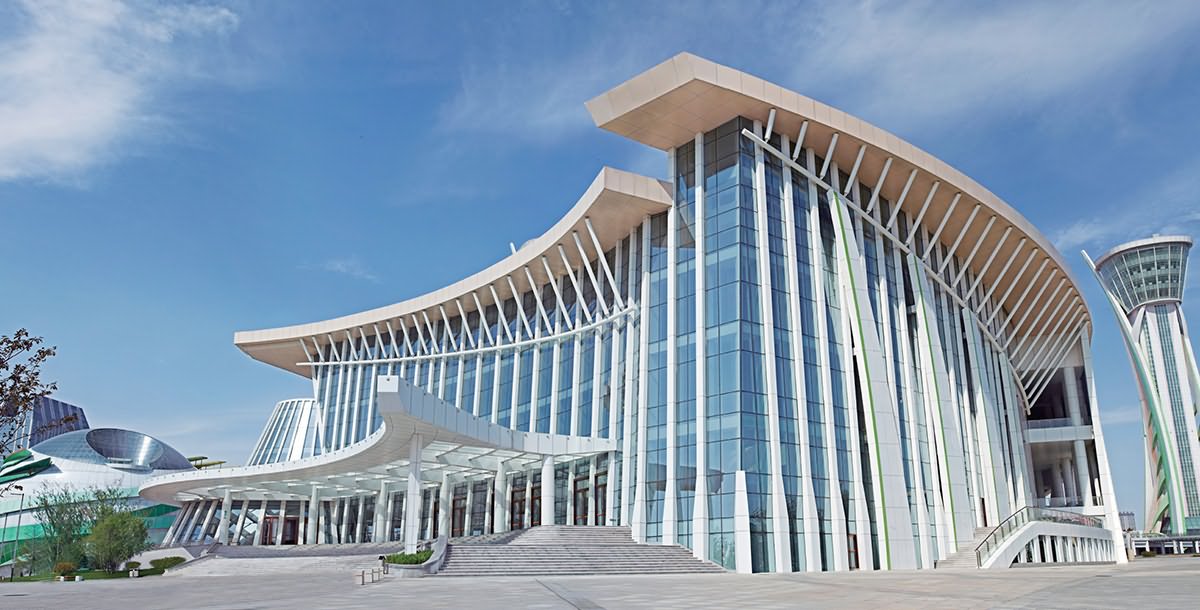
Custom aluminum architectural panels combine structural practicality with a high degree of visual control. They can define a building envelope, form a feature…
Blog
Hospitals require interior materials that support infection control, patient comfort, staff efficiency, and long-term operational reliability. The ceiling is a…
Wayfinding is part of a building’s identity, not merely a collection of arrows and room numbers. Visitors begin forming an impression from the entrance,…
Expanded mesh aluminum offers a practical way to divide interior space without making it feel closed in. Its diamond-shaped openings allow light, air, and…
Curved facades give buildings a distinctive profile, soften rigid architectural lines, and create changing views as people move around the structure. Aluminum…
Aluminum honeycomb panels are widely used when a building envelope must combine low weight, clean architectural lines, and reliable resistance to environmental…
Aluminum is widely used for building facades, suspended ceilings, interior wall panels, canopies, and decorative screens because it combines low weight with…
Highway traffic generates a broad range of sound, from tire contact and engine vibration to braking, acceleration, and heavy-vehicle movement. As roads expand…
Traditional Chinese architecture offers a rich vocabulary for contemporary facade and interior design. Roof eaves, lattice windows, courtyard screens, moon…
Facade materials influence far more than a building’s appearance. The selected metal affects structural support, transport, installation labor, corrosion…

