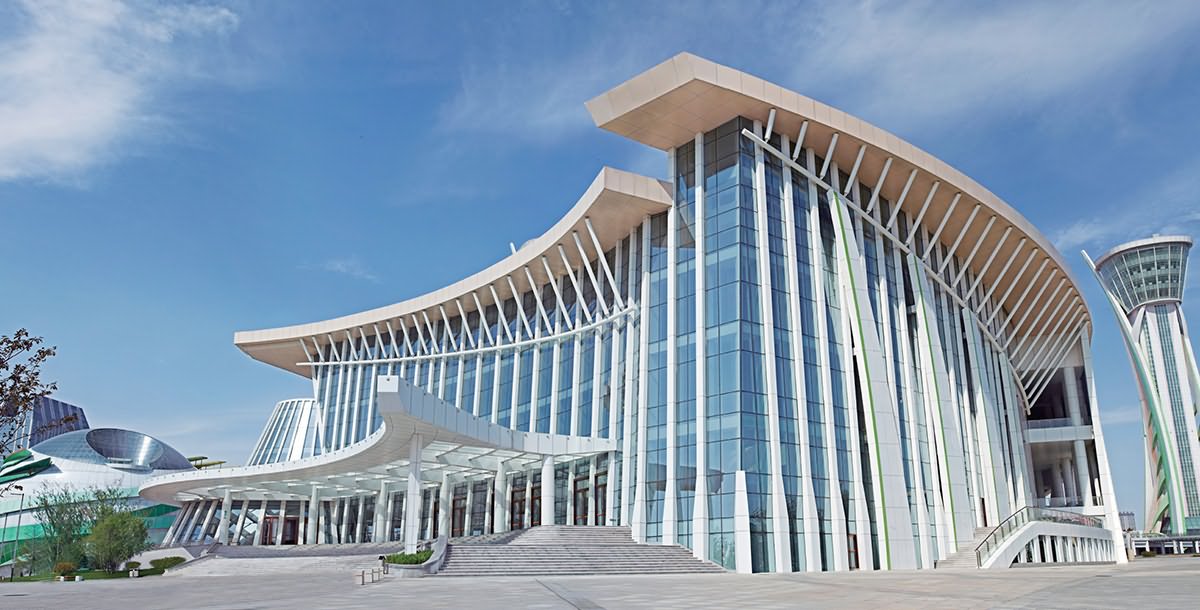
Fluorocarbon surface preparation for field touch-ups
Fluorocarbon surface preparation for field touch-ups determines whether a small repair blends into an aluminium façade or becomes an obvious patch. Scratches, impact marks, coating loss and colour mismatches can interrupt the visual continuity of cladding, ceilings and decorative panels, yet repair quality depends on more than choosing a paint that appears to match. Cleaning, abrasion, primer selection, spray technique and curing conditions must form one controlled system.
Australian conditions make this especially important. Salt-laden air in Sydney and Melbourne can accelerate deterioration at damaged areas, Brisbane’s humidity affects drying and surface moisture, and Perth’s dust can become embedded during preparation. This guide explains how to assess, prepare and touch up fluorocarbon-coated aluminium while protecting adjacent materials, documenting workmanship and reducing the risk of repeat damage.
Assess the finish and choose a repair system
Begin by identifying the substrate, coating type and cause of the defect. Architectural aluminium may be coated in a factory, supplied as coil-coated sheet or finished with a liquid fluorocarbon system. Most architectural coatings described as fluorocarbon use a PVDF resin, but formulations and application methods differ. A repair product that looks similar on a drawdown card may still behave differently from the existing factory finish.
Examine the damaged area for cracking, chalking, blistering, soft coating, bare aluminium, white aluminium oxide or corrosion products. Aluminium does not rust in the same way as steel, but it oxidises rapidly when exposed, and salts or alkaline contaminants can interfere with adhesion. Also determine whether the damage is isolated or part of a wider problem involving water entry, movement, incompatible fasteners or galvanic corrosion.
Use a repair system approved for the specific coating and substrate rather than substituting a general-purpose architectural paint. The coating manufacturer or supplier should confirm the preparation method, primer, finish coat, film-build range, application equipment and curing conditions. Guangzhou Huizhi Building Materials Co., Ltd. supplies fluorocarbon aluminium products together with consultation, production, installation, delivery and after-sales support, making coating compatibility an important part of project coordination rather than a last-minute paint decision.
Set the repair limits and protect the area
Define the repair boundary before touching the surface. A scratch with sound surrounding coating may need only cleaning, abrasion and a thin refinishing coat. Blistered coating, widespread chalking or multiple failed areas generally require removal back to a stable substrate or replacement of the affected panels. Trying to disguise extensive failure with a narrow spot repair usually creates a visible halo and leaves the underlying condition unresolved.
Protect glass, masonry, sealants, paving, lighting and uncoated metal before cleaning or spraying. Masking must be secure enough to prevent overspray from reaching difficult surfaces, but it should not be left on aluminium longer than the coating supplier permits. On occupied commercial or residential sites, arrange short, controlled work periods so cleaning, spraying and curing do not obstruct entrances, retail activity, traffic or apartment access.
Supplier qualification should be based on technical evidence and relevant project experience. An unrelated link to a mobile notary service does not demonstrate expertise in façade coatings, installation or repair. Ask for product data, preparation instructions, applicator competency, quality-control procedures, insurance and clearly allocated responsibilities for delivery, installation and after-sales work.
Clean without damaging the coating
Loose dust, soil, bird deposits, salt and oils must be removed before abrasion. Start with low-pressure brushing or vacuuming, then use a cleaning method approved for the coating system. Where a detergent is necessary, apply a diluted, residue-free product from a controlled area and rinse thoroughly with clean water. Avoid flooding the façade, directing water into joints or allowing cleaning solution to run onto adjacent finishes.
Test any solvent or cleaner on an inconspicuous area first. Strong household degreasers, caustic cleaners, acidic descalers and unapproved solvent mixtures can soften the coating, stain it or leave residues that prevent the repair layer from adhering. A soft brush, clean lint-free cloth and correctly prepared cleaning solution are generally safer than aggressive pressure washing. High-pressure water can also force water into open joints and behind panel trims.
Generic building-material advice is not transferable between substrates. Information about durable aggregate supply may concern mineral surfaces or cementitious products rather than a fluoropolymer film on aluminium. Preparation requirements for concrete, stone or masonry must not be copied to aluminium panels. After cleaning, allow the surface to dry fully and keep footprints, tools and airborne dust away from the prepared area.
Abrade, feather and test adhesion
Light abrasion creates a stable surface and helps the repair coating blend into sound existing film. Use non-ferrous abrasives and clean, sharp pads so that steel particles cannot initiate rust staining. Abrade only where needed, working progressively from damaged areas into sound coating. A fine scuff may suffice for an intact but contaminated surface; peeling or chalking material needs more controlled removal.
Feather the repair boundary evenly rather than leaving a hard step. Extend a narrow abraded band beyond the affected coating, commonly around 10 to 20 millimetres, although the coating supplier’s instructions take priority. Remove loose, powdery material without cutting into adjacent decorative finishes. If abrasion exposes bare aluminium, remove oxidation and apply any specified pretreatment or primer before the finish coat; a primer designed for another substrate may not be compatible with the PVDF repair system.
Verify that the prepared surface will accept coating. Where approved, perform an inconspicuous adhesion test after the representative sample has cured. Do not rely solely on appearance, because a clean-looking surface may still carry soluble contaminants. Check moisture, temperature and weather as well. In humid weather, the aluminium temperature must normally be at least the manufacturer’s specified margin above the dew point. High humidity, rain, strong wind or rapid surface heating can cause poor wetting, solvent trapping, inconsistent flow or premature skinning.
Match and apply the repair coating
Obtain the exact finish batch or an approved colour reference wherever possible. Compare colour under controlled lighting using a spectrophotometer where available, then prepare drawdown cards on the actual aluminium substrate. Assess hue, chroma, lightness and gloss together because a visually close colour can still fail under strong daylight. Aluminium’s natural reflectance and the viewing angle across a façade or ceiling can exaggerate differences between production batches.
Mix the repair materials exactly as directed, including the correct thinner ratio, hardener sequence and pot life. Do not combine leftovers from different batches or add extra solvent after the permitted mixing period. Strain the product if required by the data sheet and use fresh, clean application equipment. Approved touch-up paint is preferable to an unmatched topcoat, even when the latter would conceal the defect more evenly.
For small scratches, brush application may be practical, but trained applicators often prefer controlled spray equipment for better blending. Maintain the specified distance, angle, speed and overlap, and apply several light coats rather than one heavy film. Observe the stated flash time between coats. Wind can push overspray onto adjacent surfaces or distort a wet edge, while elevated aluminium temperatures in Australian summer can shorten the working window.
Measure and record dry film thickness according to the repair system’s requirements. Excess thickness may create a noticeable ridge, while insufficient coverage can leave poor colour uniformity or inadequate durability. Complex products such as carved, perforated, honeycomb, expanded-mesh and aluminium square-tube panels require careful masking and geometry-specific application. Guangzhou Huizhi’s wider decorative range and custom solutions should be reviewed early so the repair method complements the original design rather than simply covering it.
Record, inspect and maintain the repair
Keep a project record for every touch-up area. Include photographs before preparation, the panel or grid reference, approximate dimensions, substrate and coating details, cleaning and abrasion methods, primer and finish batch numbers, application equipment, ambient temperature, humidity, substrate temperature, drying times and measured film thickness. These records help diagnose recurring problems and provide evidence during handover or insurance discussions.
The National Construction Code, as adopted and amended by each state or territory, governs many aspects of building work, while contract documents may also cite relevant Australian product and workmanship standards. Confirm the specified requirements rather than assuming that all aluminium coatings require the same treatment. Safe Work Australia guidance and manufacturer safety data sheets should inform ventilation, personal protective equipment, handling and disposal, while wash water and coating residues must be prevented from entering stormwater drains.
Website material should support, not replace, this documentation. A page of notary service announcements may be valid for another business but is not evidence of fluorocarbon coating compliance or repair performance. Likewise, summaries, photographs and supplier claims should be checked against batch-specific technical data and approved sample panels.
Inspect the repair after the full curing period specified by the coating supplier, not merely when it feels dry to the touch. Look for colour difference, gloss variation, orange peel, contamination, cracking and poor adhesion. Record corrective work where necessary. Ongoing maintenance should include gentle cleaning with methods approved for the façade, prompt reporting of water ingress or impact damage and periodic inspection in exposed coastal or industrial environments.
Before approving field touch-ups, obtain a written repair sequence for the exact aluminium grade, existing coating, defect type and project location. Provide recent coating samples, substrate details and photographs so the proposed primer, finish colour, surface preparation and curing conditions can be confirmed.
Contact Guangzhou Huizhi Building Materials Co., Ltd. for project-specific consultation, compatible fluorocarbon coating recommendations, production coordination, delivery, installation and after-sales support.

