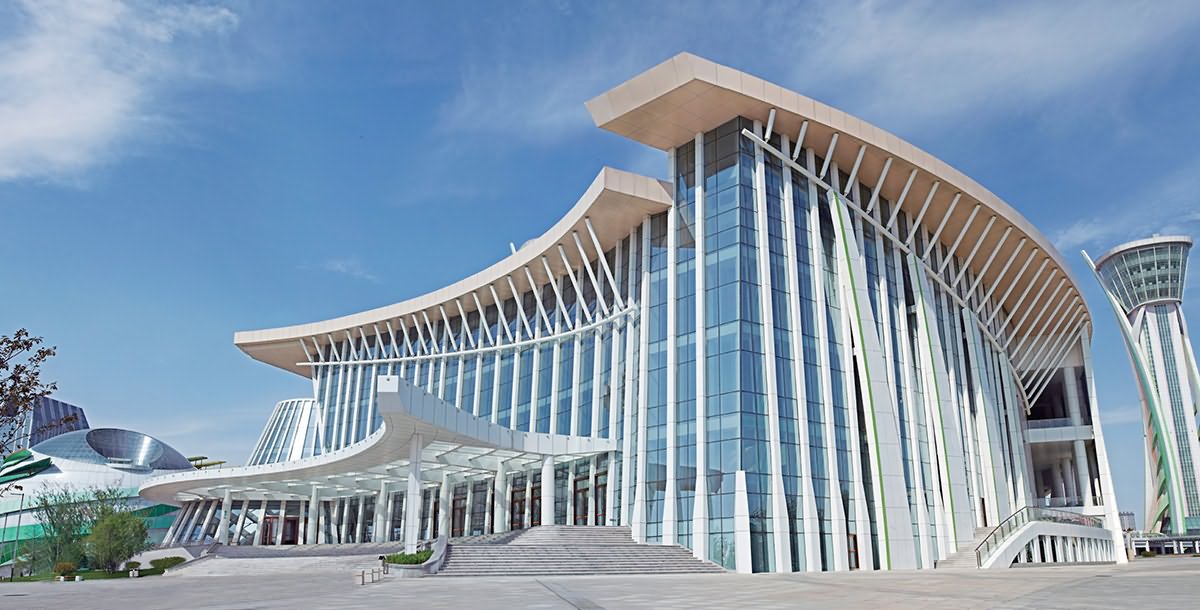
Honeycomb aluminum panels for aircraft hangar doors and walls
Aircraft hangars require building materials that can withstand demanding daily use while keeping the enclosure efficient, durable, and visually controlled. Large doors move repeatedly, wall surfaces face impacts and contamination, and interior finishes must support lighting, maintenance, and fire-safety requirements. A lightweight aluminum composite system can address many of these needs when it is properly engineered for the hangar environment.
Honeycomb aluminum panels combine thin aluminum face sheets with a cellular aluminum core. This construction creates a stiff, low-weight panel that can span wider areas than a solid sheet of similar mass. For aircraft maintenance facilities, storage hangars, airport service buildings, and private aviation terminals, the system can be adapted to both movable doors and fixed wall cladding.
The right solution depends on door size, operating frequency, wind exposure, insulation requirements, acoustic targets, aircraft clearance, and local building regulations. Panel thickness, alloy, coating, edge treatment, joint design, and supporting frames should be selected as one coordinated assembly rather than as separate decorative choices.
Why honeycomb construction suits hangar buildings
The principal benefit of an aluminum honeycomb panel is its strength-to-weight ratio. The cellular core separates the face sheets, increasing bending stiffness without adding the mass of a solid metal plate. This matters on hangar doors, where excessive weight can increase demands on tracks, hinges, lifting equipment, motors, and structural supports.
Reduced dead load can also simplify the design of large wall areas and suspended interior features. A lighter cladding system may require less reinforcement than heavy masonry, thick steel plate, or stone-faced construction. The savings are most useful when the panel is engineered with suitable perimeter frames, intermediate stiffeners, fasteners, and connection details.
Aluminum also offers strong resistance to atmospheric corrosion when the alloy, finish, and drainage design are appropriate. Fluorocarbon coatings, anodized finishes, and other architectural treatments can protect the exposed surface while giving the hangar a clean appearance. In coastal airports or regions with industrial pollutants, the finish specification should account for salt, humidity, chemicals, and cleaning agents.
The panel should not be viewed as a complete fire-rated wall by default. Honeycomb core type, adhesive, face-sheet thickness, joint construction, insulation, and support framing all influence fire and smoke performance. The full assembly must be tested or documented according to the standards required for the project.
Designing panels for large hangar doors
Hangar doors create different engineering demands from fixed walls. Folding, sliding, bi-fold, vertical-lift, and telescopic systems all experience movement, vibration, impact, pressure changes, and repeated loading. A cladding panel that performs well on a stationary wall may fail if it is attached to a moving door without allowing for deflection and maintenance access.
Door panels should be coordinated with the operating system from the beginning. Designers need to account for the weight of each module, center of gravity, hinge locations, trolley loads, drainage paths, gasket compression, and the clearances required for aircraft and service equipment. Large panels may need segmented construction so that individual sections can be removed without dismantling the entire door skin.
The face sheets should resist denting from ladders, carts, tools, and accidental contact with ground-support equipment. In high-traffic areas, thicker aluminum skins, reinforced edges, replaceable impact zones, or protective trims may be preferable to a purely lightweight specification. Corners and door edges deserve particular attention because they receive concentrated contact and are difficult to repair once distorted.
Movement joints must accommodate thermal expansion and operational flexing. Rigidly sealing large aluminum surfaces without a suitable joint strategy can cause oil-canning, fastener stress, coating damage, or premature seal failure. A fabricator should provide shop drawings showing joint widths, panel orientation, access points, replacement procedures, and interfaces with the door manufacturer.
Wall cladding, interior surfaces, and visual control
On fixed hangar walls, honeycomb panels can create broad, smooth elevations with fewer visible seams than smaller sheet products. They are suitable for exterior rainscreen applications, interior wall liners, equipment enclosures, and feature zones in reception or passenger areas. Custom bending, routing, perforation, carving, and color matching can help align the hangar with an airport campus or corporate aviation brand.
Interior panels need a finish that can tolerate frequent cleaning. Jet fuel residues, hydraulic fluids, lubricants, rubber marks, dust, and de-icing chemicals may occur around maintenance zones. The cleaning regime should be discussed before the coating is chosen, since aggressive solvents or abrasive methods may damage a decorative surface.
Acoustic performance is another consideration. Aluminum is reflective, and a smooth metal enclosure can amplify equipment noise and aircraft-related reverberation. Honeycomb panels alone should not be assumed to provide sound absorption. Where noise control matters, the wall build-up may include perforated aluminum facing, acoustic backing, mineral fiber, a ventilated cavity, or separate ceiling baffles.
Perforated decorative panels can support this strategy when their open area and backing material are selected for acoustic performance; examples of related perforated panel applications show how patterned aluminum can also serve architectural and ventilation functions. In a hangar, perforation should be kept away from areas where fluid ingress, impact, or difficult cleaning could create operational problems.
| Application area | Useful panel characteristics | Key design checks |
|---|---|---|
| Folding or bi-fold doors | Low weight, high stiffness, reinforced edges, modular sections | Hinge loads, deflection, motor capacity, impact resistance |
| Sliding hangar doors | Flat appearance, durable finish, replaceable modules | Track movement, wind pressure, bottom clearances, service access |
| Exterior hangar walls | Corrosion-resistant skin, weather joints, stable coating | Drainage, thermal movement, wind loads, fire requirements |
| Interior maintenance walls | Cleanable finish, impact resistance, concealed services | Chemical exposure, dent repair, lighting, equipment contact |
| Terminal or executive areas | Custom color, smooth seams, decorative patterns | Acoustics, branding, cleaning, visual consistency |
Materials, finishes, and fabrication details
Aluminum alloy selection should reflect the panel’s location and structural role. A decorative interior liner may use a different face-sheet thickness from a door panel exposed to wind and mechanical loads. The core density and cell configuration also affect stiffness, weight, machinability, and cost. A manufacturer should provide technical data for the proposed construction rather than relying on a generic “honeycomb panel” description.
Fluorocarbon, often called PVDF, is widely used for architectural aluminum because it offers stable color and weather resistance when correctly applied. Powder coating may suit many interior or sheltered applications, while anodizing provides a distinctive metallic appearance and durable oxide layer. The chosen finish should be evaluated for color consistency across replacement panels, batch production, repairs, and adjacent aluminum products.
Edges are among the most important details in a composite panel. Open honeycomb edges can collect moisture, dirt, and contaminants, so panels usually require sealed edges, folded returns, aluminum profiles, or engineered closures. Fasteners must be compatible with the surrounding aluminum and environmental exposure. Isolating dissimilar metals can help reduce galvanic corrosion.
CNC routing and precision fabrication allow panels to accommodate doors, windows, louvers, lighting, sensors, and service openings. However, every cutout reduces local stiffness and can create stress concentrations. Openings should be reinforced according to their size and location, especially near hinges, lifting points, and panel corners. Factory fabrication generally improves repeatability and finish quality compared with extensive field cutting.
Safety, maintenance, and compliance
A hangar envelope should be assessed as a complete system. Structural calculations may include wind pressure, suction, snow or maintenance loads, seismic movement, door operating forces, and accidental impact. The panel supplier, architect, structural engineer, and door-system contractor should coordinate these values before production begins.
Fire performance is especially important in aircraft facilities because fuel, lubricants, electrical systems, and maintenance activities can increase risk. The specification should identify the required reaction-to-fire classification, smoke limits, fire barriers, insulation type, and tested wall or door assembly. Aluminum face sheets do not automatically make a composite panel suitable for every fire-rated application.
Maintenance planning should cover inspection intervals, cleaning products, replacement methods, spare panel identification, and access to concealed hardware. A modular system can reduce downtime because a damaged section may be replaced individually. Matching replacement color and gloss is easier when the original coating code, batch information, panel drawings, and installation records are retained.
Vendor evaluation should focus on traceable technical evidence. Product pages, marketing language, or unrelated online material do not replace load calculations, coating data, fire documentation, and project references. For example, a page such as a real-money casino audit is unrelated to architectural panel engineering and should not be treated as evidence of manufacturing capability. A clear technical submittal is a much better basis for procurement.
Coordinating procurement and installation
A successful hangar panel package starts with a detailed survey. The project team should record door dimensions, support spacing, existing steelwork, drainage, service routes, aircraft clearance, and areas exposed to ground equipment. Digital models and coordinated shop drawings can identify clashes before panels reach the site.
The manufacturer should confirm the design intent, panel build-up, finish, tolerances, joint layout, edge profiles, fasteners, and delivery sequence. Large hangar projects often benefit from numbered panels packed according to installation zones. This reduces handling damage and helps installers locate each piece quickly.
Installation tolerances deserve as much attention as fabrication tolerances. Uneven framing can telegraph through a smooth face, while incorrect fastener spacing can cause visible distortion. Protective film should be removed according to the finish supplier’s instructions, and exposed edges should be inspected before the door or wall is placed into service.
A specialist architectural aluminum manufacturer can support more than panel production. Consultation, engineering coordination, custom fabrication, delivery, installation guidance, and after-sales service help maintain continuity from specification to handover. Guangzhou Huizhi Building Materials Co., Ltd. supplies honeycomb, perforated, carved, expanded mesh, fluorocarbon, and aluminum square-tube products for commercial, government, hospitality, and residential projects, with custom solutions that can be adapted to demanding building envelopes.
Practical recommendations for project teams
- Define whether each panel serves as a structural, weatherproofing, acoustic, fire-protection, or decorative layer before selecting the core and face-sheet specification.
- Coordinate honeycomb cladding with the hangar door manufacturer, including module weight, hinges, tracks, motors, gaskets, joints, and maintenance access.
- Specify alloy, panel thickness, core density, coating system, color, gloss, edge closure, fasteners, and replacement procedures in the project documents.
- Require complete technical submittals covering wind loads, fire performance, corrosion resistance, cleaning compatibility, tolerances, and installation details.
- Approve a representative sample or mock-up before mass production so that color, seams, impact resistance, and interfaces can be reviewed in real conditions.
Honeycomb aluminum panels can give aircraft hangar doors and walls a combination of lightness, stiffness, durability, and architectural flexibility. Their performance depends on the complete assembly: core, skins, frame, joints, finish, support structure, and installation method. When these elements are coordinated early, the result can reduce operational strain, simplify maintenance, and provide a refined appearance across both service areas and public-facing spaces.
For a project-specific recommendation, share the hangar dimensions, door type, exposure conditions, finish requirements, and relevant performance standards with Guangzhou Huizhi Building Materials Co., Ltd. The team can help develop a suitable panel configuration, prepare custom fabrication details, and coordinate production and delivery for the intended application.

