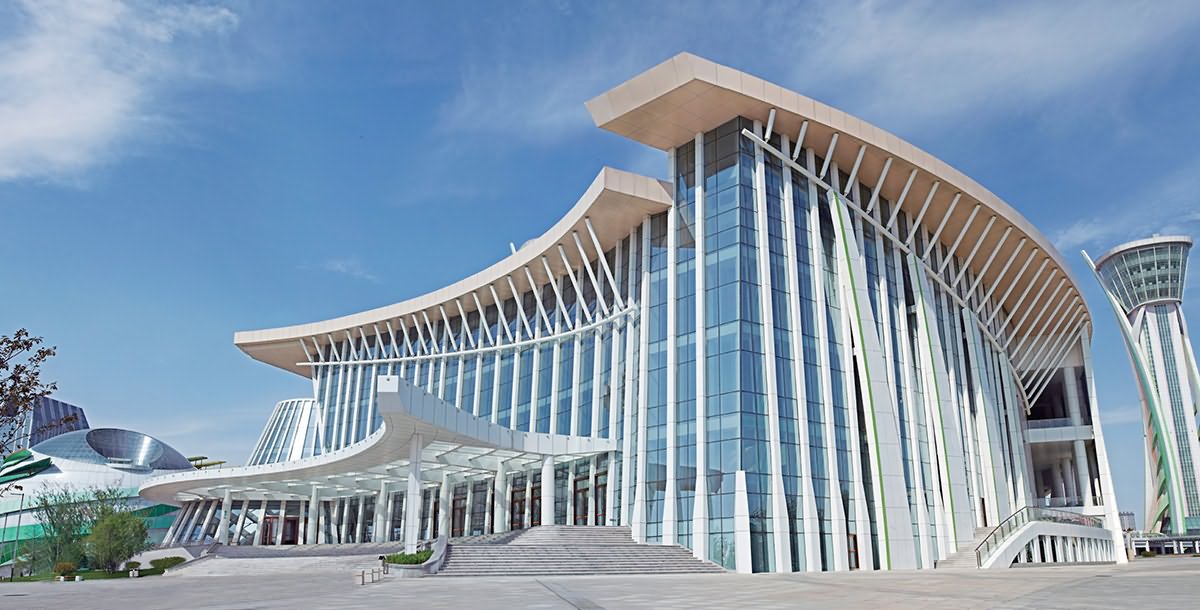
Fluorocarbon Finish Maintenance for Aluminum Facades in Urban Environments
Aluminum facades with fluorocarbon finishes are widely used in commercial buildings, transportation hubs, hotels, public facilities, and residential developments. The coating provides a durable architectural surface with strong color retention and resistance to weathering, making it suitable for demanding city environments. Its performance, however, depends on suitable design, correct installation, and regular care.
Urban buildings are exposed to airborne dust, vehicle exhaust, industrial particles, acid-forming pollutants, bird droppings, salt carried by wind, and frequent temperature changes. These contaminants can settle on curtain walls, aluminum panels, trims, louvers, and soffits. If they remain on the surface for long periods, they may stain the finish, block drainage paths, or create localized deterioration around joints and fasteners.
A planned cleaning and inspection program helps preserve the appearance and service life of fluorocarbon-coated aluminum. It also gives facility teams an opportunity to identify sealant failure, impact damage, loose components, and water-related problems before they become expensive repairs.
Why City Conditions Affect Coated Aluminum
A fluorocarbon finish, often based on PVDF resin, forms a protective coating over the aluminum substrate. It is engineered to resist ultraviolet exposure, moisture, and ordinary atmospheric pollution. The coating is highly durable, but it is not self-cleaning. Dirt accumulation can gradually change the appearance of a facade even when the coating remains structurally sound.
Traffic corridors create especially difficult conditions. Fine soot and oily particles can adhere to areas beneath window sills, around ventilation outlets, and near loading bays. Buildings in coastal cities may also receive airborne chlorides, while industrial districts can expose surfaces to acidic or alkaline deposits. These contaminants are often concentrated on lower stories and sheltered elevations where rain cannot wash them away effectively.
Facade geometry also influences maintenance needs. Perforated aluminum panels, expanded mesh, carved screens, and narrow aluminum square tubes may collect more dust than broad, smooth panels. Decorative surfaces require careful access planning because aggressive brushing or unsuitable pressure washing can damage edges, joints, and nearby sealants. Designers and owners can review specialist applications such as carved aluminum panels when selecting decorative elements that must remain visually consistent with the main facade.
How Fluorocarbon Coatings Age
Normal aging usually begins with a gradual loss of surface cleanliness rather than immediate coating failure. Dust may create gray or brown films, while rainwater can leave streaks below horizontal projections. On darker colors, mineral deposits and uneven washing patterns are often more visible. A neglected finish may look faded even when its original color stability remains acceptable.
Physical damage presents a different risk. Scratches, dents, abrasion from maintenance equipment, and impact from construction materials can expose the coating system or aluminum beneath it. Sharp tools should never be used to remove hardened deposits. Localized damage should be documented and assessed so that touch-up materials, replacement panels, or a broader coating repair can be selected appropriately.
The surrounding facade system also affects coating performance. Failed silicone joints can allow water to reach panel edges, while blocked weep holes may cause staining and prolonged moisture exposure. Galvanic contact between incompatible metals can create corrosion at brackets or fasteners. For this reason, fluorocarbon finish maintenance should include the full envelope rather than treating panel cleaning as an isolated task.
Inspection and Cleaning Intervals
Maintenance frequency should reflect the building’s location, height, exposure, color, panel configuration, and local air quality. A tower beside a major road may need more frequent washing than a low-rise building in a cleaner suburban area. Coastal and industrial sites generally require closer observation because salt and chemical deposits can remain active after the visible dirt has disappeared.
Routine visual inspections can identify staining, chalking, color variation, coating blisters, scratches, corrosion marks, and sealant separation. These inspections should cover parapets, corners, soffits, window surrounds, panel joints, drainage outlets, and areas beneath mechanical exhausts. Photographs taken from consistent positions make it easier to distinguish normal weathering from new defects.
| Facade condition or location | Typical attention level | Suitable maintenance response |
|---|---|---|
| Clean, lightly exposed urban elevation | Low to moderate | Visual review and gentle washing once or twice yearly |
| Roadside facade with traffic deposits | Moderate to high | Scheduled washing every few months, with spot checks |
| Coastal or salt-exposed building | High | Frequent rinsing, regular joint and fastener inspections |
| Industrial district or exhaust-adjacent zone | High | Shorter cleaning intervals and contaminant-specific assessment |
| Perforated or carved decorative panels | Moderate to high | Low-abrasion cleaning and detailed access inspection |
| Surface with stains, chalking, or coating damage | Specialist review | Test cleaning, condition report, and repair planning |
The table provides a starting point rather than a universal schedule. A building manager should establish baseline conditions after commissioning and adjust the interval according to observed dirt accumulation. Cleaning records should include the date, weather, products used, equipment, affected elevations, and any defects discovered.
Safe Methods for Washing Aluminum Panels
Before cleaning begins, the contractor should test the proposed method on a small, inconspicuous area. The test should confirm that the detergent does not alter gloss, color, texture, or protective sealants. Product instructions from the coating and panel manufacturer should take priority over generic cleaning advice.
Loose dust should be removed with clean water and a soft brush or microfiber tool. A mild, pH-neutral detergent can then be applied with low-pressure water, followed by thorough rinsing. Work should proceed from the top downward so that dirty runoff does not pass over areas that have already been cleaned. Cleaning in direct, intense sunlight may cause detergent to dry too quickly and leave marks.
Strong acids, caustic alkaline cleaners, abrasive powders, solvent-based products, and unapproved degreasers can attack the coating or surrounding materials. Steel wool and hard bristles may create fine scratches that become visible after repeated washing. Pressure equipment should be used conservatively, keeping the spray away from panel seams, sealant joints, vents, and drainage openings.
Bird droppings and chemical deposits should be softened before removal rather than scraped away. If a stain remains after gentle washing, repeated aggressive treatment is rarely the correct answer. A qualified facade contractor can determine whether the mark is surface contamination, coating discoloration, corrosion, or damage requiring panel replacement.
Maintenance Actions Worth Prioritizing
A practical program combines routine cleaning with condition monitoring and controlled repairs. Building owners, facility managers, and contractors should prioritize the following actions:
- Create an elevation-by-elevation inspection map covering panels, joints, trims, brackets, drainage outlets, and decorative elements.
- Wash exposed aluminum surfaces with clean water and approved mild detergent before deposits become hardened.
- Record coating color, gloss, staining, scratches, dents, and chalking through dated photographs.
- Repair failed sealants, blocked drainage paths, and loose attachments before moisture causes secondary damage.
- Require a small-area cleaning test and written method statement before large-scale facade work begins.
Access equipment deserves equal attention. Suspended platforms, cradles, ladders, and rope-access systems must be selected to prevent contact damage to the coating. Protective pads should be used where equipment may rest against panels, and workers should avoid dragging tools across finished surfaces. Any temporary protective film left during construction should be removed according to the manufacturer’s instructions before it becomes bonded by heat or ultraviolet exposure.
A maintenance file should also contain product data sheets, original color references, panel identification, repair records, and warranty information. This documentation helps distinguish normal weathering from installation defects and allows future contractors to use compatible materials rather than making assumptions.
Handling Repairs and Appearance Changes
Minor scratches may sometimes be treated with approved touch-up products, but touch-up work should be limited to small, localized defects. Differences in gloss or color can make an improvised repair more visible than the original mark. The affected area should be cleaned, dried, and evaluated before any coating is applied.
Dents, warped panels, widespread chalking, or severe fading may require replacement rather than surface treatment. Replacement panels should match the original alloy, thickness, finish, color reference, and orientation. Even when the same color code is specified, production batches and weather exposure can create slight differences, so a sample comparison is valuable before ordering a large quantity.
Corrosion around fasteners or cut edges requires investigation of the source. Simply covering the visible mark may conceal ongoing moisture intrusion or incompatible-metal contact. The repair should address water paths, edge protection, fastener selection, and sealant condition. For complex facades, an experienced aluminum architectural products manufacturer can coordinate inspection, replacement fabrication, installation, and finishing details as a single process.
Planning Long-Term Facade Care
Owners should treat cleaning as part of an asset-management program rather than an occasional cosmetic service. Annual reviews can combine facade washing, sealant observation, drainage checks, and safety-access assessment. More detailed surveys may be appropriate after severe storms, nearby construction, unusual pollution events, or reports of falling components.
The most effective maintenance plans are specific to the building. They identify which elevations receive the most pollution, which panels have intricate geometry, and which areas are difficult to reach safely. They also define acceptable cleaning products, approval procedures, inspection photographs, and escalation points for specialist repairs.
Guangzhou Huizhi Building Materials Co., Ltd. supports architectural aluminum applications for facades, interiors, and ceilings, including fluorocarbon, perforated, carved, honeycomb, expanded mesh, and aluminum square-tube products. For a new project or an existing facade requiring coordinated care, contact the company to discuss panel selection, finish requirements, production details, installation conditions, and an appropriate maintenance approach for the building’s urban environment.

