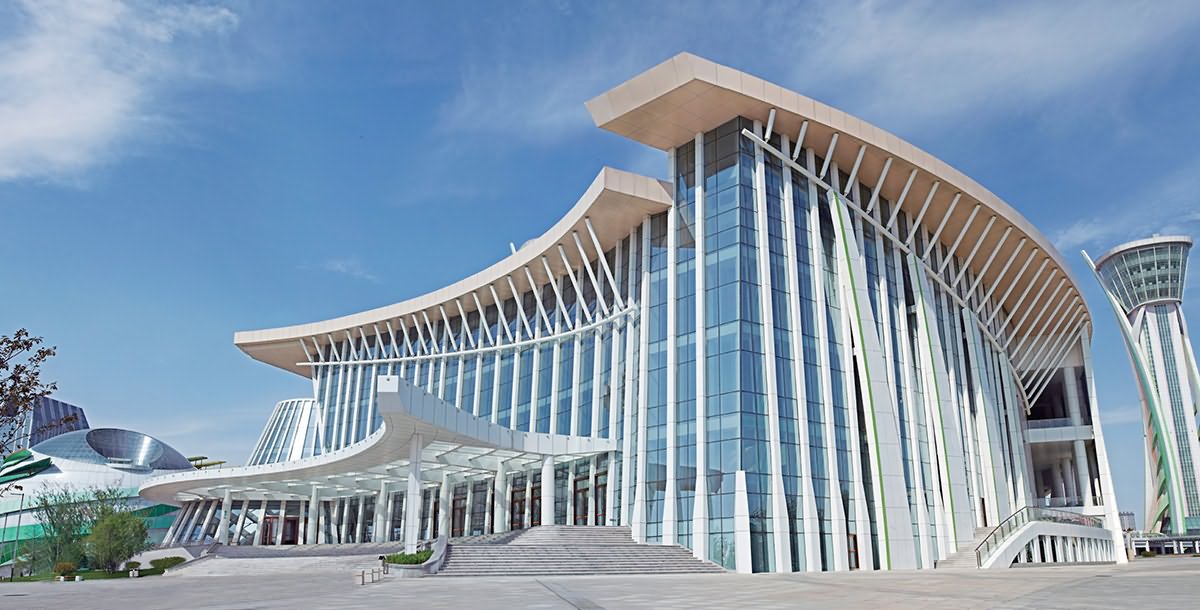
Fluorocarbon Aluminum Panels for Cool Roof Systems
Australia's harsh climate places buildings under relentless solar stress. From the humid summers of Brisbane to the dry heat radiating off Adelaide streets, rooftops absorb enormous amounts of solar radiation every day. Urban centres across the continent experience pronounced heat island effects, where dense construction traps warmth and pushes ambient temperatures several degrees above surrounding areas. Architects and builders responding to these conditions increasingly specify reflective roofing assemblies that bounce incoming radiation back into the atmosphere rather than absorbing it.
Among the materials available for cool roof construction, fluorocarbon-coated aluminium panels stand out for their combination of high reflectance, weather resistance, and architectural versatility. These panels are not simple painted sheets; they are precision-engineered composite systems finished with polyvinylidene fluoride (PVDF) resin coatings, the same chemistry behind widely recognised trade names such as Kynar 500 and Hylar 5000. When specified for rooftops, they transform ordinary roofing planes into high-performance solar reflectors.
Cool roof technology is measured by two key indices: solar reflectance, the proportion of incoming sunlight that is bounced away, and thermal emittance, the ability of a surface to radiate absorbed heat. Together they produce the Solar Reflectance Index, or SRI, a single value that predicts how hot a surface will become in direct sun. Fluorocarbon aluminium panels routinely achieve SRI ratings well above what conventional roofing paint can sustain, even after years of weathering.
This article explores how fluorocarbon aluminium panels work as cool roof surfaces, what performance values they deliver, and why they suit Australian conditions so well. It also looks at specification, fire compliance, integration with facades, and lifecycle considerations for specifiers evaluating these systems for commercial, civic, or residential projects.
How Fluorocarbon Coatings Deliver High Solar Reflectance
The reflective performance of these panels begins at the molecular level. PVDF resins are formed by polymer chains of exceptionally strong carbon-fluorine bonds, which resist breakdown from ultraviolet radiation far better than polyester, epoxy, or standard acrylic coatings. This bond stability means the pigmented surface does not chalk, yellow, or lose gloss quickly under Australian sun, where UV indices frequently climb above 11 in summer.
High-performance PVDF systems typically contain between 70 and 80 percent PVDF resin by weight, blended with acrylic resins to improve film formation. Pigments chosen for cool roof applications lean toward bright whites, soft greys, and pale earth tones that reflect the visible and near-infrared portions of the solar spectrum. Specialised cool colour pigments extend this reflectivity into the near-infrared band while still producing the warmer hues architects often prefer for visual integration with surrounding materials.
Manufacturing quality plays a decisive role in achieving consistent reflectance. Roller-coating lines apply the PVDF finish in tightly controlled film thicknesses, usually 25 to 35 microns, before high-temperature curing locks the resin into a continuous film. The aluminium substrate itself contributes to performance too: its low thermal mass means any absorbed heat dissipates quickly once the sun moves or drops below the horizon, supporting cooler nighttime surface temperatures.
SRI, Emissivity and Cool Roof Performance Metrics
Solar Reflectance Index values translate directly into surface temperature predictions. A traditional dark bitumen roof in full Australian summer sun can reach 75 to 85 degrees Celsius, while a high-SRI fluorocarbon aluminium panel of the same orientation may stay below 45 degrees. That temperature gap reduces heat transfer into the building below, easing cooling loads on air conditioning and improving occupant comfort in spaces without mechanical cooling.
Emissivity matters as much as reflectance over a 24-hour cycle. Bare metals generally have low emissivity, meaning they release stored heat slowly. Aluminium coil used in architectural panels is typically treated or coated to raise emissivity into the 0.80 to 0.90 range, so the panel radiates absorbed energy efficiently into the night sky. The combination of high reflectance during the day and high emissivity at night is what produces genuinely cool surfaces.
Specifiers should request third-party tested values rather than relying on marketing claims. ASTM E903, ASTM C1549, and ASTM E1980 together define how reflectance, emissivity, and SRI are measured. Reputable manufacturers publish initial values and aged values, the latter based on accelerated weathering tests such as ASTM D7897 or QUV exposure, which simulate years of Australian UV in weeks of laboratory time.
Australian Climate Demands and Bushfire Considerations
The continent's combination of UV intensity, salt spray along the coastline, and bushfire risk shapes how roofing materials must perform. In coastal suburbs from Sydney's Northern Beaches to Fremantle, airborne salt attacks finishes aggressively, and panels need coatings that hold their colour and gloss through years of salt-laden wind. PVDF systems are widely specified for marine environments precisely because their chemical resistance outperforms most alternatives.
Bushfire-prone regions, classified under AS 3959 as Bushfire Attack Level zones, impose additional constraints. Roofing assemblies in BAL-12.5 to BAL-40 zones must resist ember attack, radiant heat, and sometimes direct flame contact. Non-combustible aluminium substrates contribute favourably to these ratings, and the coatings themselves are formulated to resist ignition and flame spread. For projects where fire performance drives specification, fire-rated aluminum specifications provide useful context on the broader regulatory framework.
Thermal cycling also stresses roofing materials. Roof surfaces in inland towns such as Dubbo or Mildura swing from near-freezing winter nights to scorching summer afternoons, often exceeding 50 degrees on dark surfaces. Aluminium expands and contracts with temperature, and panel systems must accommodate this movement through clip designs, slotted fixings, and expansion joints. Properly detailed systems handle a working temperature range comfortably beyond what most buildings experience, but the detailing matters more in Australia than in milder climates.
Design Integration With Facades and Roof Structures
Fluorocarbon aluminium panels are not limited to flat roofs. They can be formed into cassettes, trays, and standing-seam profiles for low-slope and pitched applications, allowing the same material to continue from rooftop down the facade. This continuity gives architects a unified palette while keeping reflective performance consistent across all sun-exposed surfaces, including parapets, sunhoods, and soffits.
The panels pair well with cool roof insulation systems. Above the structural deck, rigid foam or mineral wool layers block conductive heat transfer, while the reflective panel above bounces solar radiation before it can reach the insulation. This stacked approach addresses both radiant and conductive heat gain, a combination that matters in single-storey commercial buildings across Melbourne and Adelaide where roof area is large relative to wall area.
For heritage-sensitive sites in places like Hobart or inner Sydney, light-coloured fluorocarbon panels can satisfy conservation guidelines while delivering modern energy performance. Standing-seam profiles in soft grey tones blend visually with older metal roofing traditions while reflecting far more solar energy than weathered zinc or lead. Specifiers find that energy efficiency and heritage appearance rarely conflict when panel profiles and colours are chosen with care.
Acoustic performance is sometimes overlooked in cool roof discussions. Profiled aluminium panels over open framing can amplify rain noise, but adding acoustic insulation behind the panel and a solid substrate underneath resolves the issue for most occupancies. For schools, hospitals, and offices under metal roofs, this is worth addressing early in design rather than retrofitting later.
Specification, Standards and Code Compliance in Australia
Australian building codes reference cool roof performance through the National Construction Code and supporting standards. Section J of NCC Volume One addresses energy efficiency in commercial buildings, requiring roof and wall constructions to meet specified thermal performance values that reflect climate zone. High-SRI roofing contributes to compliance and can earn additional points under voluntary rating tools such as Green Star and NABERS.
NatHERS, the Nationwide House Energy Rating Scheme, applies similar logic to residential buildings. While NatHERS focuses on whole-of-house energy use, roof colour and reflectance feed directly into the thermal model. A reflective roof in a Darwin or Cairns home can shift the star rating by a meaningful margin, particularly when combined with appropriate insulation and cross ventilation.
Material specification should reference the PVDF resin content, the coating thickness, the substrate alloy and temper, and the panel profile. Standards such as AS/NZS 1734 and AS/NZS 2728 cover aluminium sheet and strip used in building applications, while AS 3715 covers metal finishing. Combining these references in a single specification avoids ambiguity and ensures the supplied product matches the design intent.
Warranty terms vary widely between manufacturers. Premium fluorocarbon finishes typically carry 20 to 30 year warranties against chalk, fade, and film integrity, but only when the panels are installed over compatible substrates and not exposed to unusual chemical atmospheres. Specifying warranty requirements, including required documentation and the conditions under which coverage becomes void, protects the client through the life of the building.
Installation, Maintenance and Lifecycle Considerations
Installation quality determines whether high-performance panels actually perform on the roof. Fixings must be stainless steel or aluminium to avoid galvanic corrosion, particularly within a few kilometres of the coast. Sealants used at joints and penetrations should be compatible with PVDF coatings; silicone sealants are generally safe, while some organic sealants can stain or soften the finish over time.
Maintenance requirements are modest. Annual washing with fresh water removes salt, dust, and organic debris that would otherwise dull the reflective surface. In heavily polluted or industrial areas, mild detergent may be needed, but harsh chemicals should be avoided because they can damage the coating. Where panels are accessible, a soft brush and low-pressure rinse are sufficient.
End-of-life considerations increasingly influence specification. Aluminium is infinitely recyclable without loss of properties, and the PVDF coating is removed during the recycling process without contaminating the metal stream. Buildings designed today with disassembly in mind, using clip-fixed panels rather than welded or fully adhered systems, can return the aluminium to local recycling facilities such as those operated in Port Kembla or Geelong, supporting circular economy objectives.
Lifecycle cost analysis usually favours high-SRI fluorocarbon aluminium roofing despite a higher upfront cost than conventional metal roofing. Reduced cooling energy, lower mechanical equipment sizing, longer replacement intervals, and minimal maintenance combine to produce a competitive whole-of-life figure. For Australian buildings exposed to intense solar radiation, the cool roof premium pays itself back many times over the building's service life.
If your next project is shaping up around a cool roof, a high-rise facade, or a complete envelope upgrade, reach out to Guangzhou Huizhi Building Materials Co., Ltd. for technical consultation, sample evaluation, and a tailored quotation. Our team supports clients across Australia with specification advice, custom panel fabrication, certified installation partners, and after-sales service that continues long after handover. Send your drawings or performance brief through the contact page and we will respond within one business day with suggested profiles, finish options, and indicative pricing suited to your climate zone and project budget.

