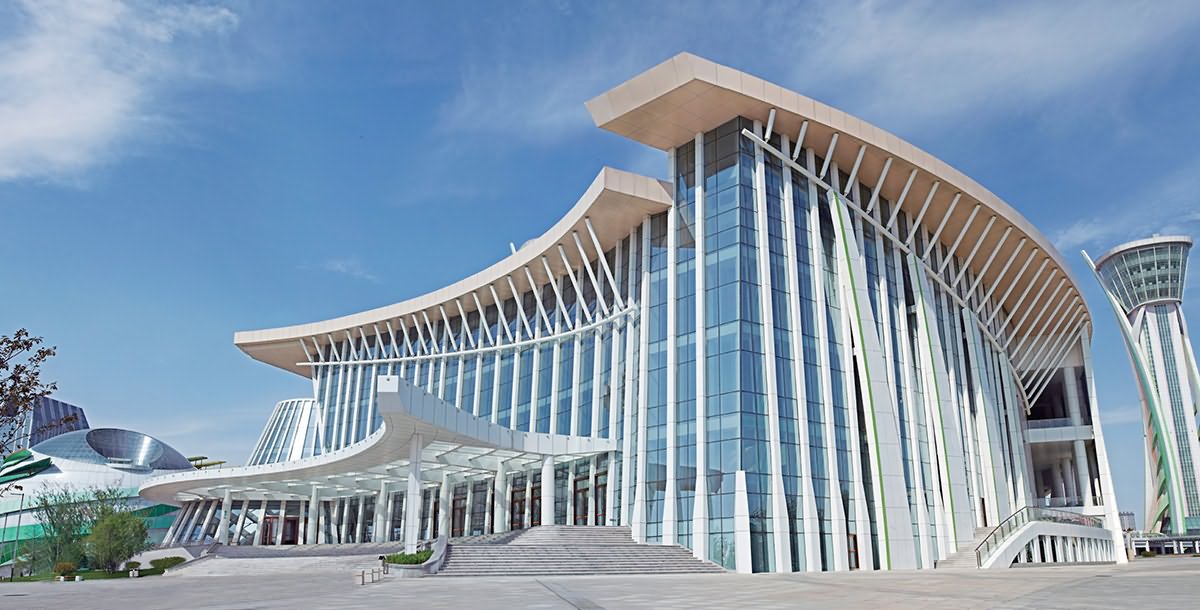
Expanded Mesh Aluminum Speaker Grilles for Amphitheatres
Amphitheatre sound systems have to deliver clear speech, music and announcements across wide seating areas without making loudspeakers look like visual intrusions. Expanded mesh aluminium provides a practical way to protect speaker cabinets while allowing sound to pass through an accurately specified grille. Its open structure, low weight and adaptable finish make it suitable for indoor auditoriums, outdoor performance bowls and multi-purpose civic venues.
For Australian projects, the grille is part of a larger building system. Designers must consider glare, coastal air, bushfire exposure, vandal resistance, access for maintenance and the acoustic requirements of the venue. A well-engineered perforated or expanded metal speaker cover can support the architectural concept while helping loudspeakers operate reliably through hot summers, sudden weather changes and busy event schedules.
Why Expanded Aluminium Suits Amphitheatre Audio
Expanded mesh is made by slitting and stretching aluminium sheet into a continuous diamond-shaped pattern. Unlike a woven screen, it has no separate wires that can loosen or fray. The result is a rigid, lightweight panel with a high open area, making it useful where a protective face is needed in front of a loudspeaker.
The open mesh allows direct and reflected sound to move through the grille with limited obstruction when the aperture, strand width and panel depth are selected correctly. This matters in an amphitheatre, where speakers may cover the stage, raked seating, side terraces and rear circulation zones. A poorly chosen cover can create high-frequency loss, comb filtering or audible colouration, while a correctly designed grille remains acoustically discreet.
Aluminium also reduces the load placed on brackets, frames and supporting walls. That advantage is valuable when speaker clusters are mounted beneath canopies, integrated into curved stage architecture or fixed to lightweight interior partitions. The panel can be shaped, folded or framed to suit a custom loudspeaker enclosure rather than forcing the enclosure to follow a standard rectangular module.
Acoustic Design And Mesh Selection
The visible grille should be developed with the loudspeaker manufacturer, acoustic consultant and façade or interior contractor. Important variables include the mesh’s percentage of open area, diamond orientation, strand thickness, panel spacing and distance from the speaker face. The grille should not touch the loudspeaker horn, compression driver or protective foam, because vibration and turbulence can affect performance.
For speech-focused venues, clarity and intelligibility usually receive priority. A lecture theatre or civic amphitheatre may need consistent coverage for announcements, assisted listening systems and emergency communication. Music venues often require a wider frequency range and higher sound pressure levels, so the enclosure and mesh should be tested together rather than specified from a product photograph alone.
Where the speaker grille is part of a larger decorative wall, the expanded aluminium can be paired with acoustic backing, concealed framing or a secondary perforated panel. The design team can use a tighter visual pattern in areas seen close up and a more open configuration where the speaker is mounted high above the audience. Sample panels should be reviewed under stage lighting, daylight and oblique viewing angles before production proceeds.
Weather Resistance For Australian Venues
Outdoor amphitheatres in Sydney, Brisbane, Perth and regional coastal towns face different exposure conditions, but all require careful corrosion planning. Salt carried by sea air can settle on mesh, fixings and speaker hardware. In areas such as Newcastle, Wollongong or the Gold Coast, the finish and fasteners should be selected for marine influence, with drainage paths that prevent water from sitting behind the grille.
A fluorocarbon coating can provide a durable architectural finish in a broad range of colours, including muted bronze, charcoal, warm white and custom project tones. Powder coating may also be suitable when the substrate preparation, coating system and exposure category are properly matched. Edges, folds and cut-outs deserve particular attention because exposed aluminium and poorly treated interfaces can become weak points in the finish.
Australian summer conditions add another concern. Dark panels can become very hot in direct sun, while large sheets may expand and contract over the day. Slotted fixing holes, suitable frame tolerances and concealed movement allowances help prevent distortion, rattling and stress around the speaker housing. In bushfire-prone regions, the complete assembly should be reviewed against the applicable project requirements rather than assessed as a decorative panel in isolation.
Integration With Architectural Interiors
An amphitheatre often has a strong visual identity, whether it is a university lecture space, a performing arts centre, a hotel event room or an open-air community venue. Speaker grilles can be designed to recede into a ceiling, echo the geometry of a stage canopy or form a consistent language with wall cladding and balustrades. Expanded mesh is especially effective when the designer wants a technical component to appear light and finely detailed.
Panels may be supplied flat, folded into trays, returned around corners or installed within a concealed perimeter frame. Curved sections can be developed for cylindrical columns, acoustic clouds and rounded balcony fronts, subject to the aluminium grade, mesh size and fabrication method. Access panels should be coordinated early so technicians can remove speakers without damaging adjacent ceiling or wall finishes.
The grille must also work with lighting, projection and ventilation. A mesh panel positioned near a stage light can cast a noticeable diamond shadow, while a grille near an air outlet may transmit unwanted turbulence noise. Coordination drawings should show speaker angles, sightlines, cable routes, access clearances and nearby services. This avoids the familiar site problem of a neat architectural panel being installed directly where an audio technician needs to work.
Safety, Compliance And Maintenance
Speaker grilles in public venues should resist accidental impact, tampering and repeated cleaning. Panels within reach of the audience may need reinforced edges, concealed fixings or a secondary support frame. The design should avoid sharp exposed strands and should not create footholds or snag points in circulation areas. For accessible venues, the grille location must also be considered alongside clear paths, handrails and the requirements of the National Construction Code.
Acoustic testing can be documented through frequency-response comparisons with and without the grille. For larger projects, the consultant may assess speech transmission, coverage uniformity and reverberation behaviour in accordance with the relevant Australian and international acoustic methods. Fire, smoke and material classifications should be checked for the whole assembly, including coatings, backing materials, sealants and insulation.
A maintenance schedule should identify how the mesh will be inspected and cleaned. Coastal venues may need more frequent washing with clean water to remove salt deposits. In a busy Melbourne or Adelaide arts venue, technicians may also need quick access between performances, so removable sections and numbered fixings can save valuable time. A grille that looks excellent on opening night should remain serviceable after years of touring shows and packed event calendars.
Project Checks Before Manufacture
A practical specification brings the architect, acoustic consultant, AV integrator, builder and manufacturer into the same discussion. It should state the panel dimensions, mesh type, open area, finish, edge treatment, support method and access requirements. It should also identify whether the panel is intended to protect a loudspeaker, conceal it visually or contribute to a wider acoustic ceiling and wall system.
Supplier documentation matters as much as the sample. A project team may review coating data, aluminium grade, fabrication tolerances, fixing details, cleaning instructions and delivery packaging. If a website presents unrelated material beside architectural product information, procurement teams should keep the evidence trail clear; an unrelated e-wallet login guide has no place in a speaker-grille specification and should be treated separately from technical supplier documentation.
Useful checks before the production run include:
- Confirm the required acoustic transmission and open-area percentage
- Review finish samples under venue lighting and outdoor daylight
- Coordinate removable access panels with the AV maintenance team
- Check corrosion, fire and impact requirements for the project location
Production should begin only after the speaker model, mounting frame and final mesh geometry are approved. A small prototype can reveal unexpected vibration, glare, colour variation or shadowing before hundreds of panels are fabricated. For a large civic venue, that modest early investment can prevent expensive changes during fit-out.
Custom Fabrication And Delivery Support
A manufacturer experienced in aluminium architectural products can combine expanded mesh with perforated panels, carved screens, honeycomb boards and square-tube features. This is useful where the amphitheatre has several acoustic zones but the design team wants a unified material palette. Lightweight honeycomb construction may suit adjacent ceiling or wall elements; technical background on lightweight curtain wall panels can help teams compare panel systems when coordinating the wider envelope.
Custom fabrication may include CNC trimming, folded returns, curved frames, colour matching and pre-assembled modules. Factory assembly can reduce work at height and make the installation sequence more predictable. Panels should be labelled by location, packed with protective separators and supplied with clear fixing information, particularly when the venue has multiple speaker sizes or repeated but non-identical bays.
A coordinated service can cover consultation, shop drawings, sample approval, manufacturing, delivery, installation guidance and after-sales support. For a project in regional Queensland, Western Australia or inland New South Wales, delivery planning deserves early attention because replacement panels and specialist components may have longer lead times. Clear packaging, moisture protection and a documented unloading plan help ensure the finished mesh arrives ready for installation rather than requiring remedial work on site.
The strongest result is a grille that disappears acoustically and visually while continuing to protect valuable equipment. Expanded aluminium gives architects considerable freedom, but performance depends on the complete system: aperture design, finish, frame, fixings, speaker position and maintenance access. When those decisions are coordinated early, amphitheatre operators receive a durable architectural feature that supports both audience experience and technical performance.
Guangzhou Huizhi Building Materials Co., Ltd. can assist with expanded mesh aluminium speaker grilles, custom architectural panels and coordinated fabrication for indoor or outdoor amphitheatre projects. Share the speaker dimensions, venue location, preferred finish and architectural drawings to develop a practical sample and project-specific quotation.

