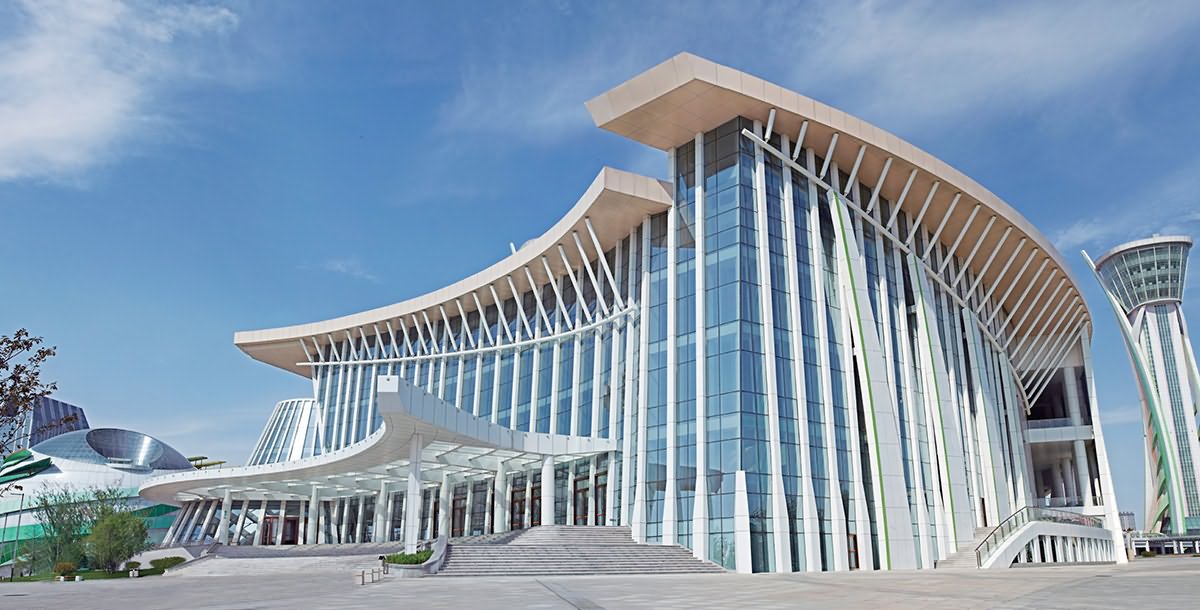
Aluminum square-tube profiles for curtain wall mullions
Aluminum square-tube profiles give architects and façade engineers a clean way to create strong, lightweight framing for glazed curtain walls. Their straight lines suit contemporary commercial buildings, hotels, public facilities, apartment towers, and interior spaces where a precise grid is part of the design language.
When used as curtain wall mullions, square or rectangular aluminum sections can support glass, metal panels, louvers, and decorative screens. The visible profile may be simple and restrained, while the concealed system behind it manages wind pressure, drainage, thermal movement, and connection loads.
The best result depends on more than selecting a tube with the right appearance. Wall height, glass weight, wind conditions, span, fixing method, thermal requirements, and surface finish all influence the profile specification. A coordinated design process helps ensure that the architectural form also performs reliably after installation.
Why aluminum suits curtain wall framing
Aluminum is widely used for façade mullions because it combines low density with useful structural strength. A lighter frame can reduce the load transferred to slabs and anchors, simplify handling on site, and make long runs of framing easier to position. Extrusion also allows manufacturers to create consistent profiles with controlled dimensions and integrated channels.
Square-tube geometry offers a particularly clear visual expression. The equal-width faces create a regular rhythm around glazing modules, while rectangular tubes can provide additional depth where longer spans or higher loads require more section stiffness. Profiles may be exposed as a finished frame or combined with pressure plates, caps, gaskets, and concealed brackets.
The material also supports a wide range of finishes. Powder coating provides extensive color selection, while fluorocarbon coatings are often chosen for demanding exterior applications and large projects that require stable color performance. Anodizing can retain the natural metallic character of aluminum when the design calls for a more industrial appearance.
The economic case extends beyond initial weight. A comparison of aluminum facade economics should account for fabrication, transport, installation, corrosion protection, maintenance, and service life rather than material price alone.
Structural role of square-tube mullions
A mullion transfers wind pressure and suction from the curtain wall infill to the building structure. Depending on the system, it may also carry the dead load of glass or panels, resist local forces at connections, and accommodate movement between floors. A square tube used for this purpose must therefore be assessed as an engineered component, not treated as a decorative hollow section.
The critical variables include profile width, depth, wall thickness, alloy, unsupported span, and the spacing of anchors. Increasing the depth generally improves resistance to bending, while increasing wall thickness can improve local strength and connection performance. The correct balance prevents excessive material use while maintaining acceptable deflection.
Glass size and weight are equally important. A tall glazed panel may impose substantial vertical load at setting blocks, while a wide panel can increase wind-induced bending in the mullion. Corner zones, parapets, roof edges, and open façades often experience different wind pressures from typical wall areas and should be reviewed separately.
Connections deserve the same attention as the extrusion. Brackets, cleats, bolts, screws, and anchor plates must transfer loads without crushing the tube or creating weak points. Slotted connections can allow thermal or building movement, but their direction and tolerance must be coordinated with the intended load path.
Design details that protect performance
A curtain wall mullion must manage water as well as force. Joints around glass and panels should direct incidental moisture into a controlled drainage path rather than allowing it to collect inside the profile. Gaskets, end dams, weep openings, sealants, and pressure-equalized cavities should be detailed as part of the complete façade system.
Thermal movement is another essential consideration. Aluminum expands and contracts more than many adjacent materials as temperatures change. Long continuous runs should include suitable movement provisions, and the connection design should prevent thermal stress from being transferred into glass, sealants, or rigid building interfaces.
Thermal bridging can be significant when an aluminum tube passes directly from the exterior to the interior. Where energy performance matters, a thermally broken mullion or insulated connector may be preferable to a basic single-wall section. Polyamide strips, isolating pads, and insulated pressure plates can help reduce heat transfer while preserving the visual effect of a square profile.
Acoustic and air-tightness targets also influence the design. A façade may require continuous gaskets, carefully sealed joints, and controlled interfaces around slab edges. Square-tube profiles can be customized with channels or cavities for seals, liners, drainage components, and concealed fasteners, provided these details are established before extrusion.
Comparing common framing approaches
The most suitable framing material depends on span, exposure, visual objectives, thermal requirements, and the relationship between the façade and the primary structure. Aluminum is often preferred for standard curtain wall applications, while steel may be used for exceptional spans or heavy support conditions. A hybrid arrangement can combine steel reinforcement with an aluminum exterior finish.
A standard aluminum tube is not automatically equivalent to a proprietary curtain wall mullion. Proprietary systems usually include tested interfaces for glazing, gaskets, pressure plates, drainage, and thermal breaks. A square tube may be the right solution for a custom façade, but its joints and infill interfaces must be designed with comparable care.
| Framing approach | Typical advantage | Key design concern | Suitable application |
|---|---|---|---|
| Single-wall aluminum square tube | Light weight and clean geometry | Thermal bridging and local deflection | Interior screens, sheltered façades, decorative framing |
| Thermally improved aluminum mullion | Better energy and condensation control | More complex detailing and higher fabrication cost | Conditioned commercial and hospitality buildings |
| Rectangular aluminum extrusion | Greater depth for stiffness | Larger sightline or deeper visual expression | Long spans and larger glazing modules |
| Steel-backed aluminum frame | High capacity with aluminum appearance | Corrosion isolation and added weight | Heavy glazing, long spans, special structural zones |
| Proprietary curtain wall mullion | Integrated seals, drainage, and tested interfaces | Less freedom in unusual shapes | Repetitive glazed façades and performance-driven projects |
A custom architectural manufacturer can help determine whether a square profile should act as the primary mullion, a cover over a structural member, or a secondary decorative layer. Making that decision early avoids conflicts between the desired façade rhythm and the actual load-bearing arrangement.
Fabrication and finishing options
Extrusion is the usual starting point for aluminum square-tube profiles. The billet is pressed through a die to form the required cross-section, allowing repeated lengths with consistent corners, walls, channels, and internal cavities. After extrusion, profiles may be cut, drilled, milled, punched, welded, or assembled into larger façade components.
Custom tooling is worthwhile when a project needs an unusual sightline, hidden fasteners, integrated lighting channels, or a special gasket arrangement. A profile can be designed around the glazing thickness and selected accessories rather than forcing standard components into an unsuitable section. Early review of die feasibility, minimum wall thickness, corner radii, and production quantities helps control tooling cost.
Surface preparation affects both appearance and durability. Profiles intended for outdoor use should receive a coating system appropriate to local exposure, color requirements, and cleaning conditions. Fluorocarbon finishes are commonly considered for prominent exterior façades, while powder coating can be effective for many architectural applications when the specification and pretreatment are properly controlled.
Color consistency should be checked across batches, especially where long elevations use profiles from different production runs. Protective film can reduce handling damage during fabrication and installation, but it should be removed within the recommended period so adhesive residue does not remain on the coated surface.
Guangzhou Huizhi Building Materials Co., Ltd. can support projects requiring aluminum architectural products for façades, interiors, and ceilings. Its broader manufacturing capabilities include fluorocarbon, perforated, carved, honeycomb, expanded mesh, and aluminum square-tube solutions, making it possible to coordinate framing with adjacent decorative elements.
Installation coordination on site
Successful installation begins with accurate setting-out information. Floor levels, slab edges, embed plates, anchor positions, opening sizes, and tolerances should be checked before mullions arrive. Even a well-made extrusion can become difficult to align if the supporting structure varies beyond the assumptions used in the shop drawings.
Mullions are commonly installed in vertical runs or assembled into unitized frames, depending on the curtain wall system and project method. Each approach has different requirements for lifting, temporary support, joint treatment, and field adjustment. The installation sequence should protect finished coatings and prevent fasteners from damaging drainage channels or thermal isolators.
Glass, panels, gaskets, and cover caps need compatible tolerances. Overly tight fits can place stress on infill materials, while excessive gaps can affect air and water performance. Setting blocks, isolators, and packers should be made from materials that will not react adversely with the aluminum finish or create concentrated pressure points.
Quality checks should include profile dimensions, coating appearance, anchor torque, joint alignment, sealant continuity, weep openings, and protection of thermal breaks. Factory preassembly or sample mock-ups can reveal problems with corner conditions, transitions, and interfaces before the main elevation is produced.
Practical recommendations for project teams
A clear specification reduces redesign and keeps the façade package aligned with structural and architectural requirements. The following actions are useful before approving production:
- Define mullion spans, module widths, glazing weights, design wind pressures, and allowable deflection.
- Decide whether the square profile is structural, decorative, or a visible cover over another support.
- Specify alloy, wall thickness, thermal-break requirements, coating type, color, gloss, and sample approval procedures.
- Coordinate drainage, gaskets, movement joints, anchors, fire stopping, and interfaces with slabs and adjacent panels.
- Request shop drawings, material samples, connection details, and a representative mock-up for complex or high-visibility façades.
The project team should also distinguish between performance-critical areas and purely decorative zones. A lightweight aluminum square tube may be ideal for a canopy screen or interior ceiling feature, but a high-rise glazed elevation may require a deeper engineered mullion, reinforced tube, or tested curtain wall assembly.
Supplier coordination is most effective when drawings include the intended finish, cut lengths, hole locations, joint positions, and packing requirements. This information supports accurate fabrication and reduces field modification, which can compromise coating protection and dimensional consistency.
Custom supply for complete façade packages
A square-tube mullion often appears alongside aluminum cladding, soffits, sunshades, perforated screens, or decorative ceiling components. Coordinating these products through one manufacturing partner can simplify color matching, interface detailing, production scheduling, and delivery. It also helps maintain a consistent architectural language across the exterior and interior portions of a project.
For government, commercial, hospitality, and residential developments, procurement support may extend from concept consultation through production, installation guidance, delivery, and after-sales service. A manufacturer with experience in custom aluminum fabrication can review the design intent and identify where a standard extrusion is sufficient or where a dedicated profile would provide better performance.
The right solution may combine several technologies: a thermally improved mullion for the conditioned façade, a fluorocarbon-coated square tube for visible perimeter framing, and perforated or expanded aluminum panels for solar control. Matching these components requires attention to coating systems, joint widths, shadow lines, and the sequence in which each element is installed.
A well-coordinated package gives architects the crisp geometry they want while giving contractors practical connection and installation information. It also allows owners to receive a façade that is easier to maintain, inspect, and replace in the future.
Bring your curtain wall drawings, elevations, performance requirements, and finish preferences to Guangzhou Huizhi Building Materials Co., Ltd. for a coordinated review of aluminum square-tube profiles, custom extrusions, decorative panels, fabrication, delivery, and installation support. The earlier the profile and interface details are resolved, the more confidently the façade can move from design development to production and site assembly.

