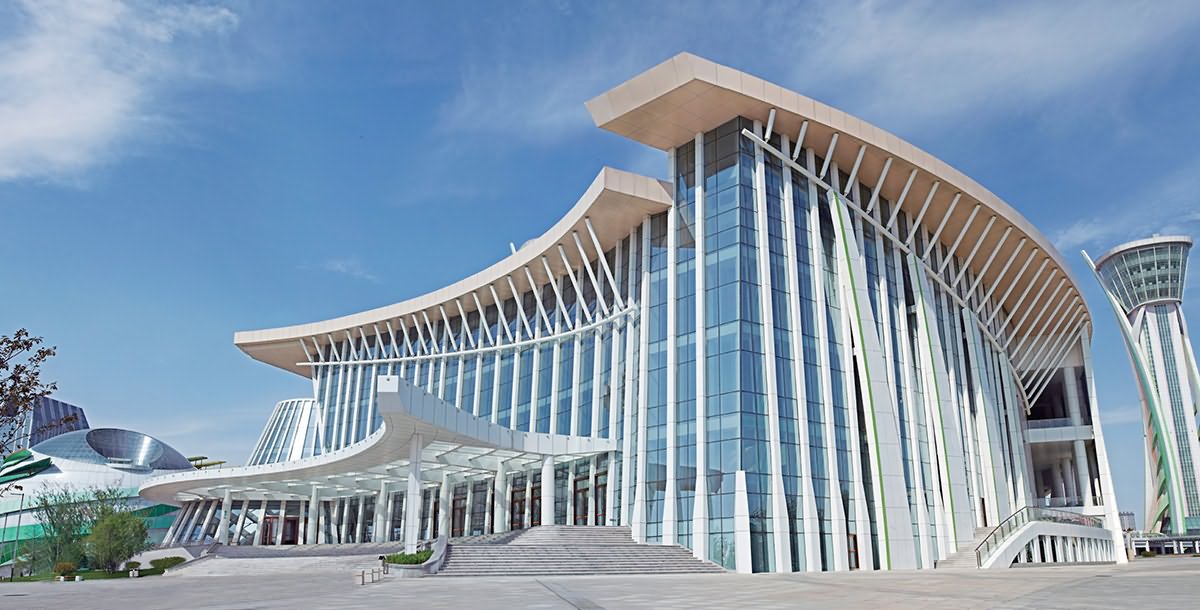
How to Maintain the Appearance of Fluorocarbon Aluminum Panels
Fluorocarbon aluminum panels are valued for their clean lines, color stability, and resistance to outdoor exposure. Often manufactured with PVDF-based coatings, these panels support durable designs for building facades, curtain walls, entrance canopies, balconies, ceilings, and interior feature surfaces. Their finish can remain attractive for many years, but it still benefits from planned care.
Maintenance is primarily about removing airborne pollution before it bonds to the coating. Dust, traffic film, salt, cement residue, organic matter, and hard-water deposits can gradually reduce visual uniformity. A suitable cleaning process protects the fluorocarbon finish while preserving the color, gloss level, and architectural character selected for the project.
The best approach combines gentle washing, prompt stain removal, regular inspections, and accurate maintenance records. Cleaning requirements may vary according to the panel profile, coating specification, local climate, and installation detail, so the panel manufacturer’s technical guidance should always take priority.
Why The Fluorocarbon Finish Needs Care
A fluorocarbon coating provides a protective and decorative layer over the aluminum substrate. It helps the panel resist ultraviolet radiation, rain, humidity, and general atmospheric exposure more effectively than many basic architectural paints. However, resistance does not mean the surface is completely unaffected by its surroundings.
Urban facades collect fine dust, vehicle exhaust, industrial particles, and acidic contaminants. Coastal buildings may develop salt deposits, while properties near construction areas can receive cement dust, mortar splashes, or cutting debris. In warm and humid environments, organic stains and biological growth may appear where water remains on the surface.
The finish can also be damaged by incorrect cleaning. Strong acids, caustic solutions, abrasive pads, and unapproved solvents may cause discoloration, gloss variation, or premature coating deterioration. Scrubbing a small mark aggressively can create a more visible patch than the original stain, especially on metallic, dark, or high-gloss panels.
Routine Cleaning Methods
Begin by inspecting the panel surface and identifying the type of contamination. Loose dust should be removed with clean water or a soft brush before wiping. Rubbing dry grit across the finish can create fine scratches, so avoid using a dry cloth when the facade has accumulated sand or gritty particles.
For normal maintenance, use clean water and a soft, non-abrasive sponge or microfiber cloth. If water alone does not remove the film, prepare a mild solution of neutral detergent and water according to the detergent manufacturer’s instructions. Apply the solution from the top of the panel downward, then rinse thoroughly with clean water before the solution dries.
Work in manageable sections rather than allowing the entire facade to become wet at once. Cleaning during moderate temperatures and low direct sunlight helps prevent rapid drying and streaking. After rinsing, a clean squeegee or soft cloth can remove standing water, particularly around horizontal ledges, folded returns, joints, and decorative grooves.
Use separate tools for visibly dirty areas and cleaner sections. A cloth that has picked up metal particles, sand, or cement dust can transfer contamination across an otherwise clean panel. Any cleaning method should first be tested on a concealed area or spare sample to verify that it does not alter the appearance.
Removing Stains Without Damaging The Surface
Fresh bird droppings, plant residue, food marks, and similar contaminants should be removed as soon as practical. Allowing them to dry increases the chance of staining and encourages aggressive scrubbing. Soften the material with clean water, wait briefly, and lift it away with a soft cloth rather than scraping it with a blade or hard tool.
Oil, grease, and adhesive residue may require a manufacturer-approved cleaner. Apply only a small quantity to a cloth instead of pouring solvent directly onto the panel. Keep the treated area controlled, wipe gently, and rinse it fully afterward. Never mix cleaning chemicals, and avoid products containing abrasive powders, strong acids, chlorine compounds, or highly alkaline ingredients unless the coating supplier has specifically approved them.
Cement splashes and paint droplets require special caution. Do not chip hardened material from the surface, since this can remove the coating or dent the aluminum. Contact the installer or manufacturer for an approved removal procedure. When a stain has penetrated, the correct solution may involve professional refinishing or replacement of an affected panel rather than repeated chemical treatment.
Water spots often result from mineral deposits left behind after evaporation. Regular rinsing can reduce their formation, but established deposits should be treated only with a product confirmed as compatible with the PVDF coating. The longer a deposit remains, the greater the risk that attempts to remove it will produce uneven gloss.
Protecting Panels During Building Use
Many facade defects attributed to coating failure actually begin with surrounding construction or building-use activities. Welding, grinding, concrete cutting, drilling, and masonry work can release hot particles or alkaline dust that damages finished aluminum. Protect completed panels with suitable temporary coverings, while ensuring that the covering does not trap moisture or rub against the surface in wind.
When installing signs, lighting, security devices, or external fixtures, avoid dragging equipment across the panels. Workers should use clean gloves and padded supports when handling components near finished surfaces. Any drilling residue should be removed promptly, and exposed cut edges or penetrations should be treated according to the project specification to limit corrosion risk.
Drainage is equally important. Gutters, flashings, sealant joints, and ventilation openings should be inspected to ensure that dirty water is not repeatedly discharged onto the facade. Poorly designed or blocked drainage can create vertical streaks, concentrated staining, and prolonged wetting around panel joints.
Decorative aluminum systems may include perforated or carved sections that collect dust differently from flat sheets. When a project combines several facade treatments, review perforated pattern guidance alongside the cleaning plan so that openings, folded edges, and supporting frames receive suitable attention without bending or clogging the pattern.
Cleaning Frequency By Environment
There is no single schedule suitable for every building. A panel system in a low-pollution inland area may need only periodic washing, while a coastal hotel, busy commercial tower, or industrial facility may need more frequent service. The most reliable schedule is based on observed contamination rather than on appearance alone.
A visual inspection should cover color consistency, gloss, scratches, dents, sealant condition, joint alignment, fasteners, drainage paths, and areas where water collects. Pay particular attention to lower facade zones, sheltered recesses, parapets, canopies, and surfaces below windows, since these locations often receive concentrated runoff.
| Project environment | Typical visual inspection | Usual washing approach | Areas needing extra attention |
|---|---|---|---|
| Low-pollution residential or inland site | Every 6–12 months | Clean water or mild neutral detergent as needed | Ledges, joints, and shaded recesses |
| Dense urban or commercial district | Every 3–6 months | Planned washing with prompt spot cleaning | Traffic film, window runoff, signage areas |
| Coastal or high-salt environment | Every 1–3 months | Frequent fresh-water rinsing and scheduled washing | Salt deposits, fixings, exposed edges |
| Industrial or construction-adjacent site | Monthly during active exposure | Frequent dust removal and professional stain treatment | Cement dust, oily particles, hot-work residue |
| Interior ceiling or wall application | Every 6–12 months | Dry dusting followed by gentle damp wiping | Air vents, corners, touch points, lighting zones |
These intervals are starting points rather than fixed rules. After the first year, compare inspection records with actual surface conditions and adjust the program. A building manager should document the date, weather conditions, cleaning agents, equipment used, unusual stains, and any repairs carried out.
Inspection And Minor Repair Practices
Cleaning should never be treated as a substitute for inspection. Look for lifted edges, loose fasteners, open joints, damaged sealant, dents, scratches through the coating, and signs of water entering behind the cladding. Small defects can become more expensive when moisture, wind movement, or repeated thermal expansion is allowed to continue unchecked.
Do not repaint isolated areas with an ordinary exterior paint and expect an invisible repair. Fluorocarbon coatings have specific color, gloss, and application characteristics, and an incorrect touch-up may remain visibly different. Minor repairs should follow the panel supplier’s approved procedure, while severely damaged or distorted sheets may need replacement.
A professional facade contractor can assess whether a mark is surface contamination, coating damage, aluminum oxidation, sealant failure, or a problem with the supporting structure. This distinction matters because each condition requires a different response. Before any repair, retain the product data sheet, color reference, coating warranty, and installation records.
Practical Care Recommendations
A simple maintenance policy helps cleaning staff, contractors, and building operators protect the original appearance of the aluminum cladding. Include approved products and prohibited chemicals in the site’s cleaning instructions, and make sure contractors understand that finished panels are vulnerable during nearby construction.
The following practices provide a dependable baseline:
- Rinse away loose dust and grit before wiping or brushing the fluorocarbon surface.
- Use soft, clean tools and a mild neutral detergent when water alone is insufficient.
- Test every unfamiliar cleaner on an inconspicuous area before broad application.
- Remove salt, bird droppings, cement dust, grease, and organic residue promptly.
- Inspect joints, edges, fasteners, sealants, drainage paths, and concealed recesses during cleaning.
- Record cleaning dates, products, surface conditions, and any repairs for warranty and maintenance reference.
These measures are particularly useful for large government, commercial, hospitality, and residential projects where several teams may share responsibility for the building envelope. A clear record also helps the original aluminum panel manufacturer or installer diagnose changes in appearance and recommend a compatible solution.
Choosing A Long-Term Maintenance Partner
For a new project, maintenance planning should begin before fabrication and installation. The design team, contractor, and aluminum manufacturer can identify areas that will be difficult to access, likely to collect runoff, or exposed to unusual pollution. Panel geometry, color, surface gloss, joint design, and drainage all influence the future cleaning burden.
A qualified supplier can also clarify the fluorocarbon coating specification, expected performance, approved cleaning agents, and warranty conditions. This information is valuable when selecting access equipment, writing facility procedures, or training maintenance teams. It also reduces the risk of using a generic facade-cleaning method on a specialized finish.
Guangzhou Huizhi Building Materials Co., Ltd. supports architectural aluminum applications for facades, interiors, and ceilings, including custom decorative solutions and several panel formats. For projects requiring fluorocarbon aluminum panels, coordinated consultation, production, installation, delivery, and after-sales support can help ensure that the finished system remains practical to maintain as well as visually distinctive.
A clean fluorocarbon aluminum facade reflects sound design and consistent care. Arrange a project consultation with an experienced architectural aluminum supplier to confirm the appropriate coating, cleaning method, inspection schedule, and repair procedure for your building.

