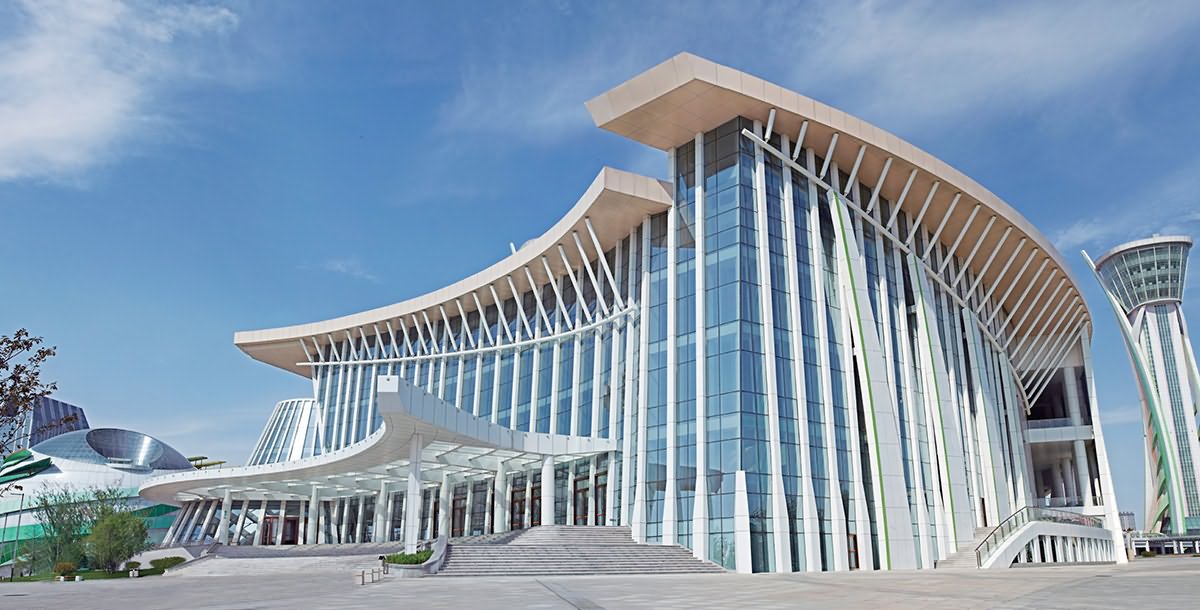
Honeycomb aluminum panels for museum display cases and stands
Museums require display environments that protect valuable objects while supporting a calm, precise visual experience. Every case, plinth, wall panel, and freestanding stand must contribute to conservation, security, accessibility, and the architectural character of the gallery. Materials therefore need to be strong and stable without making the exhibition space feel heavy.
Honeycomb aluminum panels are well suited to this balance. Their lightweight core and rigid aluminum skins create large, flat components that can be used for cabinet backs, exhibit platforms, suspended panels, ceiling features, and custom-built display furniture. They also offer a clean surface for powder coating, fluorocarbon finishing, printing, perforation, or other decorative treatments.
For museum projects, panel selection should be considered alongside lighting, glazing, climate control, object weight, visitor circulation, and installation access. A successful system is more than an attractive panel: it is a coordinated enclosure and support structure designed for long-term public use.
Why honeycomb construction suits museums
A honeycomb aluminum panel consists of thin aluminum face sheets bonded to an internal hexagonal core. This geometry increases stiffness without requiring a solid, heavy metal plate. The result is a panel that can span broad areas while remaining easier to transport, lift, align, and install inside an occupied building.
This weight advantage is especially valuable for movable exhibition stands and modular display cases. Staff can reposition units during gallery changes with less strain on floors and handling equipment. Large wall-mounted sections also place lower loads on supporting structures, although the final fixing method must still be calculated according to the panel size, accessories, and exhibit equipment.
The material is also resistant to moisture, corrosion, and dimensional movement when properly manufactured and installed. In a museum, that can help maintain clean joints and stable geometry around glass enclosures. Aluminum does not absorb water like many untreated wood products, making it a practical choice for areas where cleaning routines or occasional humidity fluctuations must be managed.
Custom shaped tube profiles can complement honeycomb panels in a stand or cabinet frame, particularly where a project requires curved edges, unusual supports, or a continuous perimeter detail. The profiles should be specified as part of the same structural and finish system so that the frame and panel surfaces maintain consistent alignment.
Designing cases around object safety
A display case must protect the collection from accidental contact, dust, vibration, unauthorized access, and unsuitable environmental conditions. Honeycomb panels can form the rear wall, base, roof, or side elements of a case, but they should not be treated as a substitute for the complete conservation system. Glass or acrylic glazing, seals, locks, lighting, and climate-control components need to work together.
The case base is particularly important. A panel may be rigid enough for a broad platform, yet the finished assembly still needs a load path that directs the weight of the artifact, mount, and protective glazing into the supporting frame. For heavier sculptures or archaeological objects, manufacturers and exhibit engineers can add reinforced zones, internal brackets, or separate structural subframes.
Low-emission adhesives, coatings, sealants, fabrics, and backing materials should be selected where objects remain enclosed for long periods. Some newly manufactured products can release volatile compounds that may damage sensitive metals, paper, textiles, or organic materials. Museum specifications should therefore identify approved materials and require appropriate curing, testing, or airing-out before installation.
Interior surfaces should also avoid creating distracting reflections. A low-sheen finish on the panel skin can reduce glare from spotlights and viewing angles. Dark neutral colors often help objects stand forward, while light tones can support delicate collections and make small cases feel more spacious.
Finish, lighting, and visitor perception
The visible finish of an aluminum exhibit panel influences how visitors read the entire gallery. Fluorocarbon coatings provide durable color control for architectural surfaces, while powder coating can support many interior color schemes. Anodized effects, textured finishes, and custom paint systems may be considered when the exhibition concept requires a specific metallic or tactile appearance.
Perforated or micro-perforated skins can be used selectively for ventilation covers, technical screens, or acoustic features. Openings must be sized and positioned carefully so that they do not become dust traps, weaken a critical panel area, or expose cables and equipment. In a secure case, ventilation design should be coordinated with filters, baffles, and environmental monitoring.
Lighting deserves attention before the panels are fabricated. Recessed LED strips, adjustable spotlights, fiber-optic systems, and concealed power routes all require space behind or within the display assembly. Honeycomb construction offers a neat visual surface, but service access should be retained so that lighting drivers and wiring can be maintained without dismantling the whole exhibit.
Color matching between the honeycomb panel, aluminum edge trims, support tubes, plinths, and surrounding walls creates a more refined result. A manufacturer with cutting, bending, edge treatment, and finishing capabilities can reduce the visible variation that occurs when several suppliers produce adjacent components.
Choosing panels for different exhibit applications
The correct panel specification depends on span, loading, location, maintenance, and the level of visual exposure. A concealed case back may require a different finish from a visitor-facing plinth or a suspended ceiling raft. Thickness, skin gauge, core density, edge construction, and fixing method should be documented rather than selected solely by appearance.
The comparison below provides a practical starting point for museum designers and contractors:
| Application | Useful panel characteristics | Key specification points |
|---|---|---|
| Display case back wall | Flat, lightweight, low-sheen surface | Color, cleanability, cable access, low-emission components |
| Artifact plinth | High stiffness and reinforced fixing zones | Object weight, vibration control, edge protection |
| Freestanding exhibition stand | Lightweight construction with rigid faces | Base stability, knock resistance, transport and assembly |
| Suspended feature panel | Low dead load and accurate flatness | Suspension points, fire requirements, service access |
| Technical screen | Perforated or custom-cut aluminum face | Ventilation, dust control, acoustic performance |
| Gallery partition | Large-format rigid panel with durable coating | Joint design, acoustic needs, impact resistance |
Large panels can reduce the number of joints and create a quieter architectural background. However, large-format components may require special handling routes, lifting plans, and temporary protection during construction. Smaller modules are easier to move through existing galleries and elevators, but additional joints can affect the appearance and may require more installation time.
Edges deserve the same attention as the main face. Folded returns, aluminum trims, concealed extrusions, and sealed joints can protect the core while producing a crisp outline. Exposed raw edges are usually unsuitable for a public museum environment because they can collect dust, catch on cleaning equipment, or create a sharper contact point.
Integrating stands with the gallery interior
Museum stands often combine a structural frame, a honeycomb aluminum skin, a concealed mount, and a removable access panel. The stand should remain stable when visitors pass nearby or when cleaning staff work around it. Anti-tip measures, weighted bases, floor anchors, or concealed connections may be required depending on height and object value.
Modularity is useful for traveling exhibitions and galleries that change displays frequently. Panels can be produced in repeatable dimensions, with numbered components and standardized fasteners. This allows staff or contractors to rebuild a group of stands with fewer errors. Removable skins can also provide access to electrical equipment, sensors, and object-mounting hardware.
A stand can be visually simple while containing significant technical coordination. It may need ventilation paths, lockable storage, cable channels, lighting recesses, leveling feet, and a concealed route for security wiring. Early coordination between the panel manufacturer, exhibition designer, lighting supplier, and installer helps prevent visible alterations at the final stage.
For museums with a strong architectural identity, decorative aluminum elements can link exhibition furniture with the exterior or public circulation areas. For example, carved aluminum sunscreens can inspire a patterned language for entrance screens, wayfinding panels, or sun-control features near the gallery threshold. Any exterior application must still be evaluated for weather exposure, structural loads, and maintenance requirements.
Recommendations for specification and production
A clear technical brief reduces revisions and protects the exhibition schedule. It should identify the panel locations, dimensions, finish codes, edge details, anticipated loads, fixing points, access panels, and relationship with glazing or adjacent walls. Drawings should distinguish visible surfaces from concealed structural components.
Manufacturers such as Guangzhou Huizhi Building Materials Co., Ltd. can support projects from material consultation through production, delivery, installation, and after-sales service. Their experience with aluminum facade and interior products can be useful when a museum requires custom sizes, perforated areas, carved patterns, honeycomb construction, or coordinated ceiling and wall finishes.
Before placing a production order, project teams should focus on the following:
- Confirm object loads, stand stability, fixing locations, and any required structural calculations.
- Specify low-emission adhesives, sealants, coatings, and interior backing materials for enclosed cases.
- Approve physical samples for color, gloss, texture, edge treatment, and lighting reflection.
- Coordinate panel joints with glazing frames, security hardware, sensors, cable routes, and cleaning access.
- Prepare a handling, installation, protection, and maintenance plan for the completed exhibit system.
Factory quality control should include dimensional checks, flatness inspection, coating consistency, edge accuracy, and verification of inserts or reinforcement. A sample assembly can reveal practical problems before dozens of panels are produced. It also gives the museum team an opportunity to assess whether the finish behaves as expected under actual gallery lighting.
Delivery should be organized around the building’s access restrictions. Protective film, corner guards, labeled crates, and a clear installation sequence can reduce damage during transport and fit-out. Once installed, the surfaces should be cleaned with products compatible with the selected coating, and maintenance staff should receive instructions for avoiding scratches, harsh solvents, and excessive pressure at joints.
A well-designed honeycomb aluminum system gives museums a combination of strength, low weight, clean detailing, and finish flexibility. It can support secure display cases, refined artifact plinths, adaptable exhibition stands, and coordinated architectural elements without overwhelming the objects on view. With accurate engineering and conservation-aware material selection, the panels can remain visually quiet while performing reliably for years.
Guangzhou Huizhi Building Materials Co., Ltd. can help translate a museum concept into manufacturable aluminum components, from initial consultation and sample approval to fabrication, installation, and support after handover. Contact the company with case dimensions, display requirements, finish preferences, and project drawings to develop a suitable honeycomb panel solution for the museum environment.

