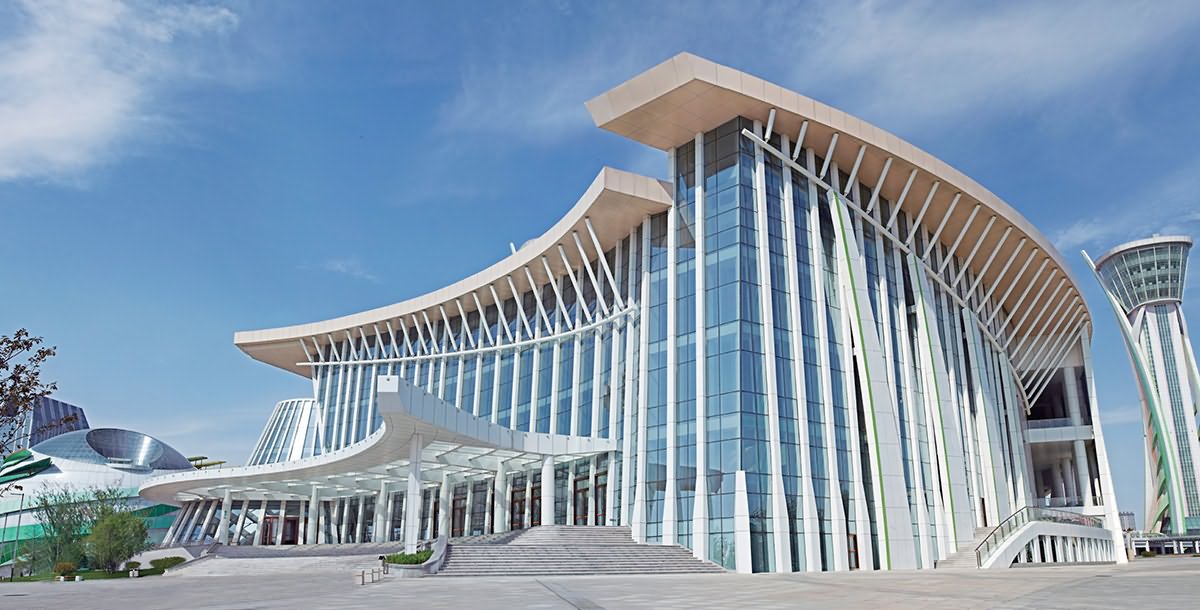
Durability testing of fluorocarbon-coated aluminum in extreme climates
Fluorocarbon-coated aluminum is widely used for curtain walls, soffits, column covers, roof details, interior feature panels, and ventilated façades. Its appeal comes from a combination of low weight, design flexibility, corrosion resistance, and long-term color stability. Yet a coating that performs well in a temperate city may face very different risks in a coastal zone, desert, industrial district, or high-altitude region.
Durability testing must therefore examine the complete architectural panel system rather than treating the fluorocarbon finish as an isolated decorative layer. Aluminum alloy selection, chemical pretreatment, primer compatibility, coating thickness, forming, cut edges, fasteners, sealants, and installation details all influence service life.
For manufacturers and project teams, laboratory testing provides a controlled way to compare materials before production. Field exposure and quality records then confirm whether the tested assembly can withstand real ultraviolet radiation, salt, moisture, temperature changes, windblown dust, and pollution.
Why climate-specific testing matters
Extreme climates accelerate different failure mechanisms. Strong sunlight can break down organic binders, fade pigments, reduce gloss, and produce chalking. Heat can increase thermal movement between aluminum panels, subframes, and sealants. In cold regions, repeated freezing and thawing may expose weak edges, joints, or areas with poor drainage.
Coastal environments create a persistent combination of humidity, salt deposits, and airborne contaminants. Chloride ions can attack exposed aluminum and travel beneath damaged coating films. Industrial and urban locations may add sulfur compounds, nitrogen oxides, acidic deposits, and particulate matter that hold moisture against the façade.
A high-quality fluorocarbon finish should be evaluated against the climate where the building will operate. A generic accelerated weathering result cannot replace exposure planning. The test program should define expected temperature ranges, annual solar load, humidity, rainfall, salt exposure, pollution levels, cleaning frequency, and the architectural orientation of the panels.
The coating system starts beneath the finish
Most architectural fluorocarbon finishes use a PVDF-based resin system applied over a prepared aluminum substrate. The visible topcoat provides color and weather resistance, while primer layers and chemical conversion treatments support adhesion and corrosion protection. The performance of the finished panel depends on how these layers work together.
Surface preparation is especially important. Oils, oxides, dust, and forming residues can create weak boundaries between the aluminum and coating. Pretreatment converts the metal surface into a more stable base, reducing underfilm corrosion and improving resistance to peeling. Testing should include production panels, not only small laboratory coupons, because rolling, bending, punching, routing, and cutting can change the coating response.
Coating thickness should be measured at multiple points, including broad faces, returns, grooves, corners, and formed areas. A finish that meets its target thickness on a flat section may be thinner at an edge or uneven around a routed detail. Cross-hatch adhesion, pull-off adhesion, pencil hardness, impact resistance, and bend testing help identify weaknesses before the panels reach a construction site.
Edges deserve particular attention on perforated, carved, expanded mesh, and folded aluminum products. Open patterns and cutouts increase the amount of exposed perimeter. If burrs, sharp corners, or incomplete coating coverage remain, moisture can enter the system and initiate localized corrosion. Proper deburring, pretreatment, edge protection, and drainage are essential for decorative façade panels as well as solid sheets.
Laboratory methods for accelerated weathering
Accelerated ultraviolet testing helps estimate resistance to sunlight, moisture, and condensation. Fluorescent UV exposure, often performed under ASTM G154-type cycles, alternates ultraviolet radiation with condensation or water spray. Xenon-arc testing, commonly associated with ASTM G155 methods, provides a broader simulated solar spectrum and can be useful when color and gloss retention are critical.
Testing should record color change, gloss loss, chalking, blistering, cracking, and delamination at scheduled intervals. Color difference is frequently assessed using a spectrophotometer, while gloss is measured at a defined geometry, such as 60 degrees. The chosen acceptance limits should reflect the project specification and the visibility of the panel. A slight change on a shaded service wall may be unacceptable on a prominent entrance canopy.
Salt spray testing, such as ASTM B117, can reveal weaknesses in pretreatment, scribe protection, and edge coverage. However, salt fog results should be interpreted carefully. Continuous salt spray is harsher and less representative than many natural coastal conditions, so it should support rather than replace cyclic corrosion testing and field exposure. Scribed panels can show how far corrosion creeps beneath the coating after intentional damage.
Humidity resistance, water immersion, and cyclic temperature testing add further information. A panel may retain its color during UV exposure but lose adhesion after prolonged condensation. Thermal cycling can expose differences in expansion between aluminum, coating layers, sealants, insulation, and supporting members. Combining these methods gives a more realistic view of façade durability.
| Exposure condition | Main risks | Useful evaluation methods | Important observations |
|---|---|---|---|
| Coastal and marine | Chloride corrosion, blistering, underfilm creep | Cyclic corrosion, salt fog, humidity exposure | Scribes, edges, fasteners, joints, drainage |
| Hot and arid | UV degradation, chalking, thermal movement, dust abrasion | Xenon arc, UV-condensation, thermal cycling, abrasion testing | Color retention, gloss, sealant movement, surface cleaning |
| Cold and snowy | Freeze-thaw stress, cracking, condensation, de-icing contaminants | Freeze-thaw cycles, immersion, adhesion and bend tests | Corners, formed areas, joints, water-trap locations |
| Tropical and humid | Mold deposits, persistent condensation, corrosion | High-humidity exposure, cyclic corrosion, water resistance | Coating adhesion, staining, drainage, biological growth |
| Industrial and urban | Acidic pollutants, particulate deposits, chemical attack | Chemical resistance, humidity, cyclic corrosion, field exposure | Cleaning response, chalking, stains, polluted runoff paths |
Measuring failure before it becomes visible
Visual inspection remains useful, but instrumental measurements detect gradual deterioration earlier. Color readings can establish a baseline for each batch and compare exposed samples with unexposed controls. Gloss measurements help identify binder degradation before a noticeable change in shade appears.
Adhesion testing should be repeated after environmental exposure. A coating can look intact while its bond to the substrate has weakened. Cross-cut or cross-hatch methods are practical for screening, whereas pull-off testing provides quantitative information when the panel construction allows it. Results should identify the failure location: within the coating, between coating layers, at the pretreatment interface, or in the adhesive used for the test fixture.
Microscopic examination can distinguish chalking, pinholes, filiform corrosion, pitting, and mechanical damage. Profilometry or thickness mapping can reveal uneven application. For complex façade components, photographs should document corners, perforations, returns, screw zones, drainage openings, and any area that received secondary fabrication after coating.
Test records need traceability. Each specimen should carry information about alloy grade, batch, pretreatment line, primer and topcoat, application date, coating thickness, curing conditions, and fabrication method. This evidence is valuable during quality audits, specification reviews, and warranty discussions. The same principles of traceable criteria and documented evidence used in an independent audit can help manufacturers keep environmental test results clear and verifiable, even when the audited subject is completely different.
Designing tests for real façade assemblies
Flat coupons are useful for screening, but architectural aluminum rarely remains flat and untouched. Panels are routed, folded, perforated, fixed to subframes, joined with sealants, and exposed to wind pressure. A robust program should test representative assemblies where possible, including seams, fasteners, brackets, gaskets, insulation interfaces, and drainage paths.
Thermal movement is a common source of long-term stress. Aluminum expands and contracts more than many adjacent materials, and dark colors can reach high surface temperatures in direct sun. Test assemblies should undergo repeated temperature changes while restrained in a manner similar to the real façade. Inspectors should look for coating cracks, distorted joints, sealant separation, fastener loosening, and permanent deformation.
Mechanical damage also deserves simulation. Handling, installation, maintenance platforms, airborne grit, and hail can mark the finish. Impact and abrasion tests help compare coating formulations, while repair trials show whether small defects can be blended without creating visible color differences. For coastal or industrial buildings, cleaning protocols should be included because aggressive detergents, abrasive pads, or poorly controlled pressure washing can shorten coating life.
Water management has a major effect on durability. Even a strong PVDF coating may fail prematurely when water remains trapped behind a panel or repeatedly flows over an unprotected cut edge. Drainage holes, open joints, back-ventilation, compatible sealants, and separation from dissimilar metals should be reviewed alongside laboratory data.
Standards, acceptance criteria, and quality control
Project specifications often refer to recognized standards for coating performance, but a standard name alone does not define a complete durability assessment. The test duration, exposure cycle, specimen preparation, measurement method, and acceptance threshold must be stated. For example, a requirement for color retention should identify the permitted color difference and the measurement conditions.
AAMA 2605 is frequently referenced for high-performance organic coatings on architectural aluminum. It addresses properties such as color uniformity, chalk resistance, gloss retention, adhesion, and corrosion resistance. Depending on the project location, supplementary requirements may be appropriate for cyclic corrosion, chemical resistance, abrasion, or thermal movement.
Factory quality control should connect laboratory qualification with routine production. Operators can monitor pretreatment chemistry, rinse quality, oven temperature, line speed, coating thickness, gloss, color, and surface cleanliness. Retained samples from each production batch create a reference for future inspection. Nonconforming panels should be isolated before delivery rather than adjusted informally at the installation site.
A durability claim should also distinguish between coating life and façade service life. The coating may retain acceptable appearance while sealants, gaskets, fasteners, subframes, or joints require maintenance. Clear maintenance instructions should specify compatible detergents, washing intervals, inspection points, and procedures for repairing scratches or edge damage.
Recommendations for project-ready testing
- Define the actual climate exposure before selecting the coating system, color, alloy, and pretreatment.
- Test production-representative panels with formed edges, perforations, fasteners, sealants, and other vulnerable details.
- Combine UV, humidity, thermal cycling, and cyclic corrosion methods instead of relying on a single accelerated test.
- Establish measurable limits for color change, gloss loss, chalking, adhesion loss, blistering, corrosion creep, and cracking.
- Preserve batch records, exposure photographs, laboratory reports, and maintenance instructions for the full project lifecycle.
When the project requires custom aluminum façades, ceilings, or decorative panels, durability testing should be integrated into design development rather than added after fabrication. Guangzhou Huizhi Building Materials Co., Ltd. can support that process through material consultation, custom production, delivery coordination, installation planning, and after-sales service. Share the project location, panel geometry, finish requirements, and expected exposure conditions with the technical team to develop a fluorocarbon-coated aluminum solution supported by appropriate testing and quality control.

